Tyler Durden
Beijing Wants Nvidia Out But China’s AI Developers Aren’t Ready
China has spent years pouring money and political capital into building a homegrown semiconductor industry. Yet when its AI companies need to train their most sophisticated models, many still turn to Nvidia, according to South China Morning Post.
The biggest obstacle may no longer be the chips themselves. It is everything developers have built around them.
Nvidia’s CUDA software has become deeply woven into the way AI labs operate. Models, training tools and internal workflows have been designed around the platform, meaning switching to Chinese hardware can resemble rebuilding part of the factory rather than simply swapping out a machine.
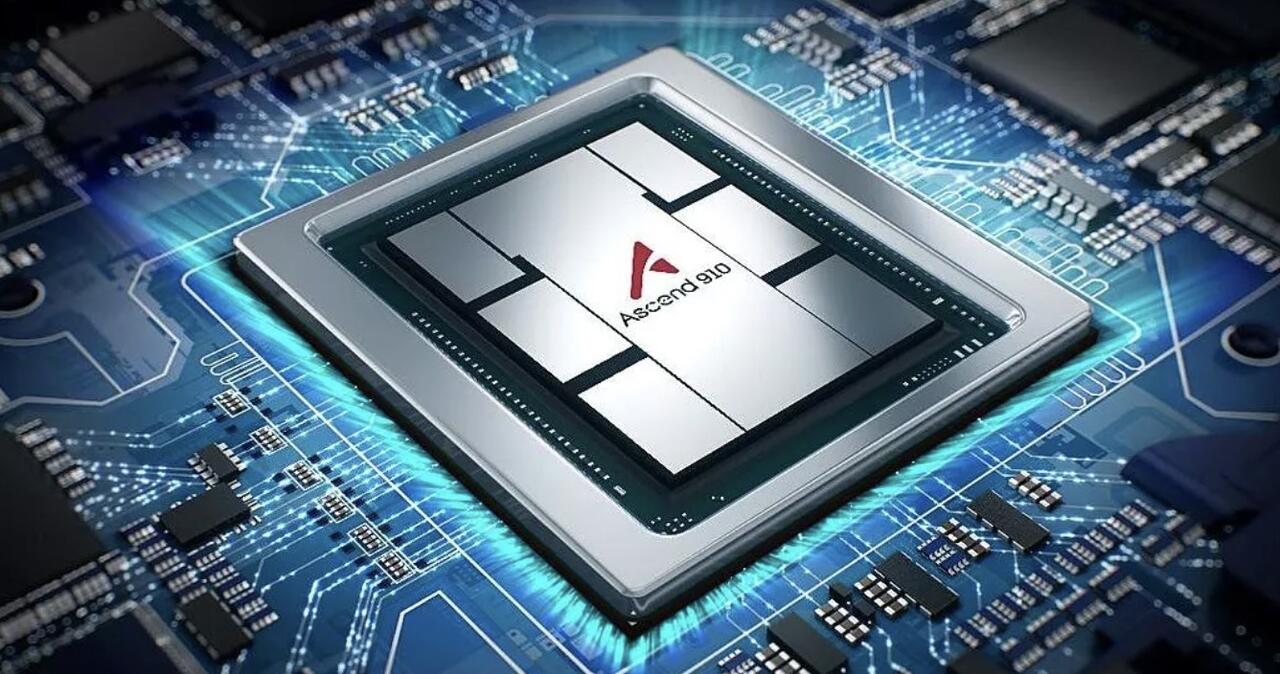
SCMP writes that Huawei’s Ascend processors are among the leading domestic alternatives, but moving an established operation onto them can require substantial engineering work. One researcher estimated that doing so could increase the time and expense of a project by at least 50%.
How painful that transition becomes depends heavily on the model. Widely available open-source models such as DeepSeek are easier because engineers can modify the code and lean on work already done by others. In those cases, migration might require only a few developers and several additional weeks.
Closed systems are another matter. Without access to the underlying source code, engineers may have to spend months rebuilding and optimizing parts of the training process. One industry estimate suggested a difficult migration could occupy roughly 10 engineers for more than half a year.
China has had more success moving the finished products onto domestic infrastructure. Once a model has already been trained, running it for everyday queries — known as inference — is generally much easier to adapt to different hardware.
And domestic chips are beginning to handle training as well. Meituan said its enormous LongCat-2.0 model was developed using a 50,000-chip Chinese computing cluster.
So China’s Nvidia problem is increasingly about inertia as much as technology. Domestic processors may continue closing the performance gap, but Nvidia has something much harder to manufacture quickly: years of software, developer familiarity and infrastructure built around its ecosystem.
Tyler Durden
Sun, 08/16/2026 – 13:25
ZeroHedge News
[crypto-donation-box type=”tabular” show-coin=”all”]