 Max Headroom
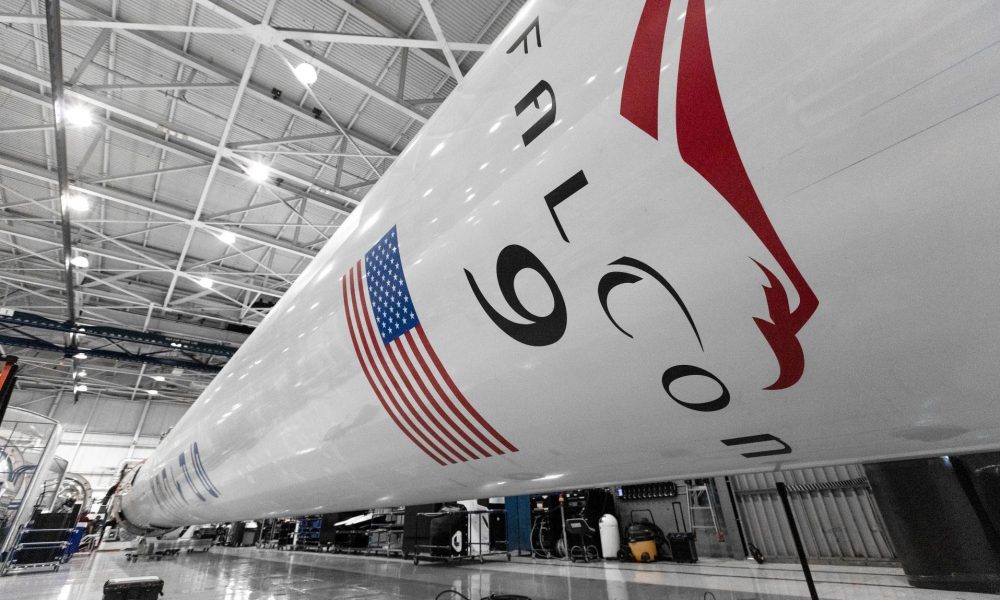
SpaceX launched a classified Falcon 9 mission for the U.S. Space Force from Vandenberg Space Force Base on Saturday night, and the government released almost nothing about what was on board. The mission, designated USSF-366, lifted off from Space Launch Complex 4E with a window that opened at 9:52 p.m. ET and ran into the early hours of Sunday, according to SpaceX’s own mission page, which described the payload only as classified. SpaceX confirmed the launch on its X account and pointed viewers to a livestream that began roughly ten minutes before liftoff.
Watch Falcon 9 launch the USSF-366 mission from pad 4E in California https://t.co/FFEzeYOds1
— SpaceX (@SpaceX) August 16, 2026
The lack of detail did not stop analysts from filling in the blanks. Independent tracking of the rocket’s stage drop zones matched the pattern SpaceX has used on previous Starlink Group 15 missions, according to reporting from Outer Space Today, which pointed to Starshield as the likely payload rather than a one off government satellite. Starshield is SpaceX’s national security product, a version of the Starlink satellite bus built to Pentagon specifications for earth observation, communications and hosted payloads. Unlike consumer Starlink, government agencies do not have to disclose what Starshield satellites are actually doing once they reach orbit.
USSF-366 is the latest entry in a steady flow of classified and semi classified work between SpaceX and the Space Force. The company picked up a $178.5 million task order in April to launch missile tracking satellites for the Space Development Agency, as Teslarati reported at the time, and followed that in July with a $1.6 billion award covering 18 more Falcon 9 missions from Vandenberg through the end of 2027, also detailed by Teslarati. Add those contracts up and SpaceX’s Pentagon business for 2026 alone tops $8 billion.
SpaceX scores another massive Pentagon deal to support military satellites
The Falcon 9 that flew Saturday landed back near the launch site, producing the sonic booms that have become routine for residents near Vandenberg. What is less routine is how little the public will likely ever learn about what the rocket carried. SpaceX and the Space Force have not confirmed the Starshield connection, and government satellite programs built on commercial buses rarely get identified beyond a mission number and a general orbit. For a company that live streams almost everything else it does, from Starship test flights to Optimus robot demos, USSF-366 is a reminder that some of SpaceX’s busiest work now happens entirely out of public view.
The post SpaceX just launched a secret payload from California appeared first on TESLARATI.
News, Space, SpaceX, Featured, Space Force, Starshield, United States Space Force
TESLARATI
[crypto-donation-box type=”tabular” show-coin=”all”]