Tyler Durden
’13 US Bases Uninhabitable’: Pentagon Admits Much Of Iran War Overseen By Personnel ‘Working Remotely’
The New York Times really buried the lede in a fresh report entitled “Iran’s Attacks Force US Troops to Work Remotely.” With the report noting that before the Iran war started the Pentagon had some 40,000 troops in the region, we are told that many have been widely dispersed due to the Iranian retaliatory bombing campaign on the Gulf, even as far as Europe, and must ‘work remotely’.
Somehow readers expect they are about to read a story mainly about how troops are now confined to hotels and office spaces throughout the region: “So now much of the land-based military is, in essence, fighting the war while working remotely, with the exception of fighter pilots and crews operating and maintaining warplanes and conducting strikes,” NY Times writes.
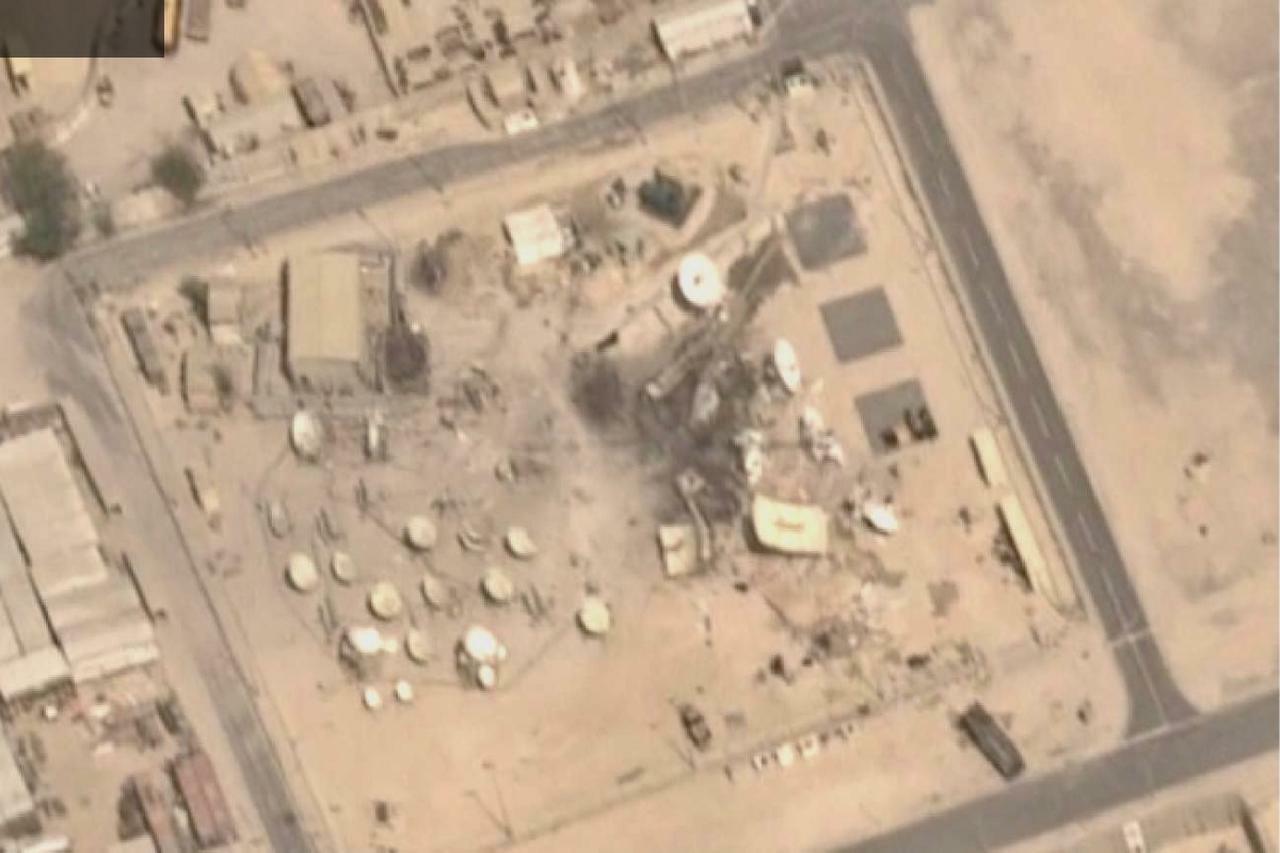
But then several paragraphs in comes a huge confirmation of what many analysts suspected was the case over the course of the last weeks of expanding war: “Many of the 13 military bases in the region used by American troops are all but uninhabitable, with the ones in Kuwait, which is next door to Iran, suffering perhaps the most damage.” This is based on statements by unnamed US defense officials who admit they’ve had to scramble to find ‘alternative’ housing and office solutions for personnel.
The revelation comes on the heels of the Islamic Revolutionary Guards Corps (IRGC) having earlier warned that if American troops are ‘stationed’ in hotels or civilian office complexes, then those hotels and locations effectively become targets.
“We are forced to identify and target the Americans,” the IRGC intelligence arm earlier stated, according to state Tasnim. “Therefore, it is better not to shelter them in hotels and to stay away from their locations,” the ominous message added, while calling on local Muslims to report on the American “hiding places”.
The Times report meanwhile suggests that the US saw earlier fatalities and casualties (CENTCOM figures say 13 dead and some 300 injuries thus far) in part due to lack of preparedness for such a robust Iranian ballistic missile retaliation on US regional bases.
The report goes so far as to say the situation is already worse than that of prior Iraq and Afghan wars in terms of danger to ‘front line’ bases and exposure to enemy fire:
While Bagram Air Base in Afghanistan and the U.S. Embassy in Baghdad, for example, were often targeted in suicide bombings and other attacks, neither the Taliban nor Iraqi militias possessed the kind of ballistic missile capability that Iran has.
During the war in Iraq in particular, the United States built up its bases there and in Kuwait, Bahrain, Saudi Arabia and Qatar. Now, the war in Iran has made all of those bases vulnerable — to the point where service members can’t really live or work there for extended periods, military officials said.
As for why this information wasn’t disclosed within the first three weeks of war, there have been reports that the Pentagon and Trump administration is downplaying negative developments while boosting only positive stories of battlefield successes.
The public was blocked from an accurate assessment also due to open source satellite image firms agreeing to censor their own data and imaging.
This WaPo story takes on new meaning now that we know 13 U.S. bases “uninhabitable” per NYT.
Satellite imaging firms Planet and Vantor delayed imagery access about 2 weeks ago, so Iran couldn’t do BDAs to improve targeting.
But it also meant U.S. public couldn’t see damage to…
— Rosemary Kelanic (@RKelanic) March 26, 2026
As for running a war over Iran while many CENTCOM units have been forced to relocate, the NYT report cites Pentagon officials who bluntly admit that “The result, according to current and former military officials, is a war that is much harder to prosecute.”
This of course is another big hurdle in terms of US grand strategy (assuming there is one in the first place), given already Iran has some major advantages of geography related to long term leverage, which has been obvious given the de facto closure of the Strait of Hormuz.
Tyler Durden
Thu, 03/26/2026 – 12:20
ZeroHedge News
[crypto-donation-box type=”tabular” show-coin=”all”]