Some of Ukraine’s best-known drone military commanders and experts will be visiting Washington later this month to brief policymakers and defense leaders on the rapidly evolving landscape of modern drone warfare.
The Ground Truth Symposium will be hosted on March 25 by the Peace Through Strength Institute, a foreign policy and defense think tank based in Washington.
The event promises to translate “Ukraine’s frontline reality into clearer congressional understanding of the war, the capabilities shaping it and the conditions required to help bring it to an end on terms consistent with both Ukraine’s survival and United States strategic interests,” according to a release.
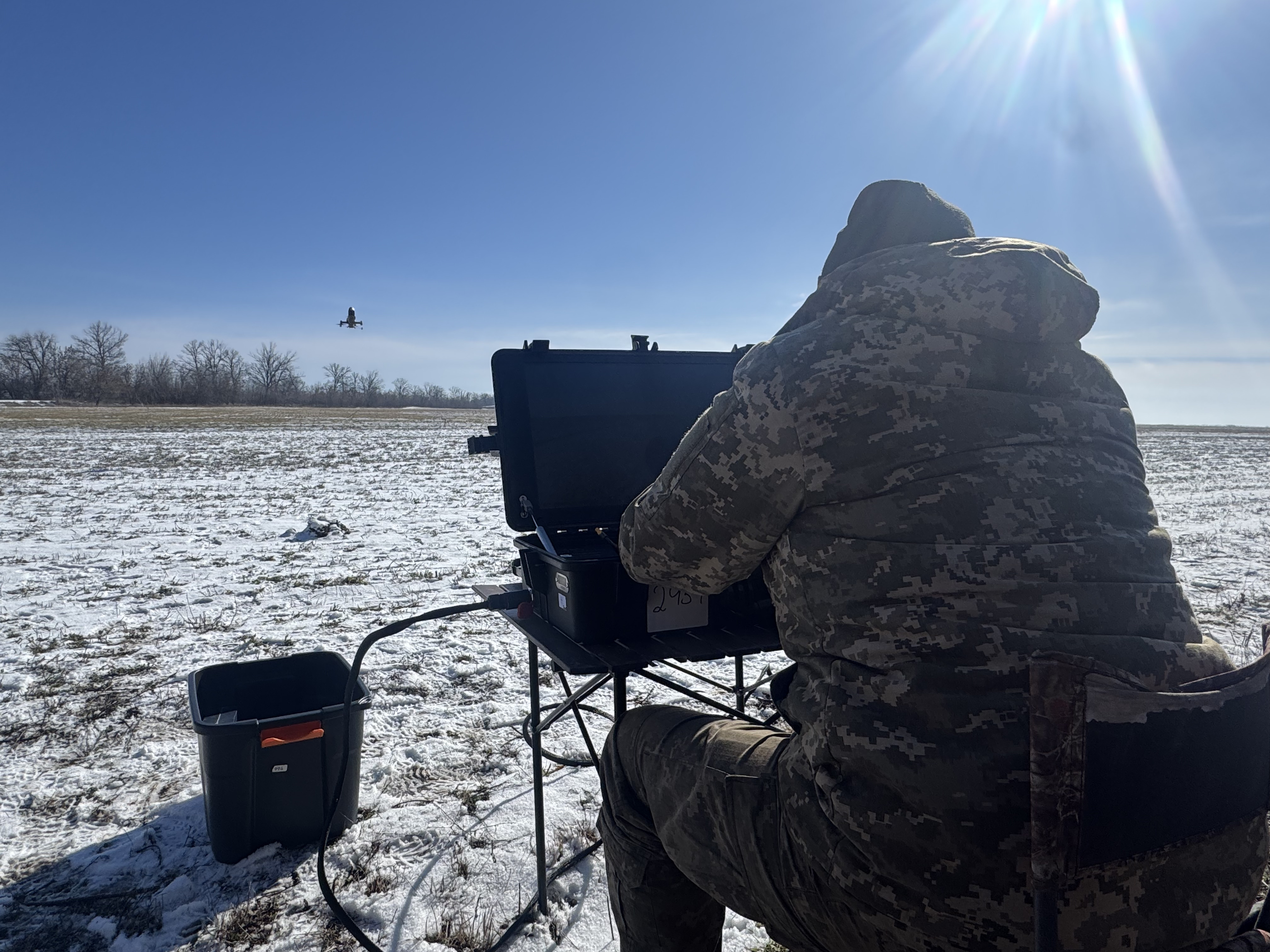
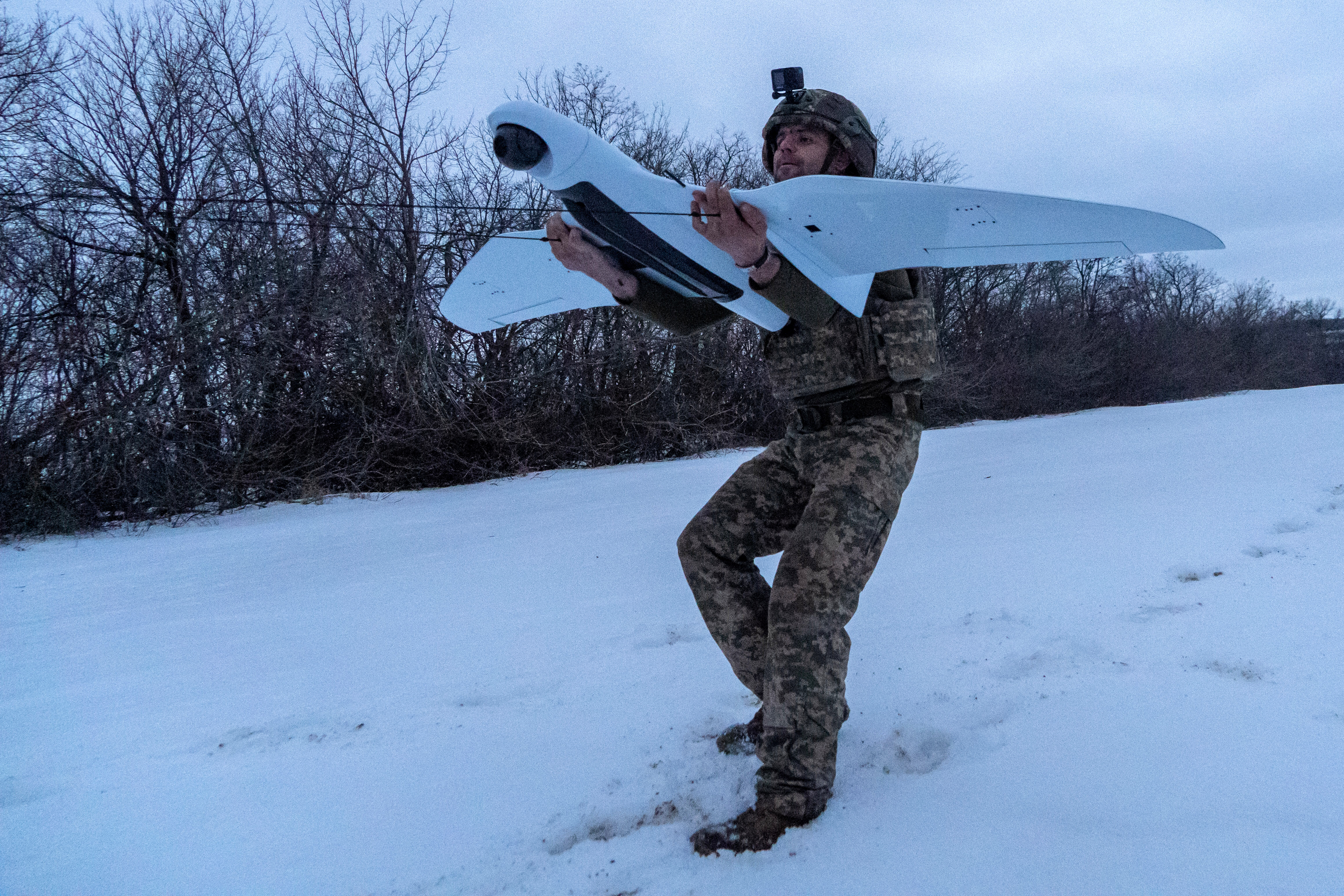
Representatives from several Ukrainian drone units will participate in the symposium, including soldiers from the country’s most effective UAV squads like Lazar Group, the 12th Special Forces Brigade and the 414th UAV Brigade “Magyar’s Birds.”
Discussions are expected to focus on Ukraine’s expertise in drone tactics and technology, along with the best practices for integrating the newer class of weapons into countries’ existing air defense systems.
The heavy use of several types of drones by multiple countries since the start of the recent conflict in the Middle East, currently involving about a dozen countries, will be a major talking point.
“Ukraine’s experience offers critical lessons for the United States and its allies — lessons the United States and our allies need now in the Iranian conflict,” the event’s press release stated.
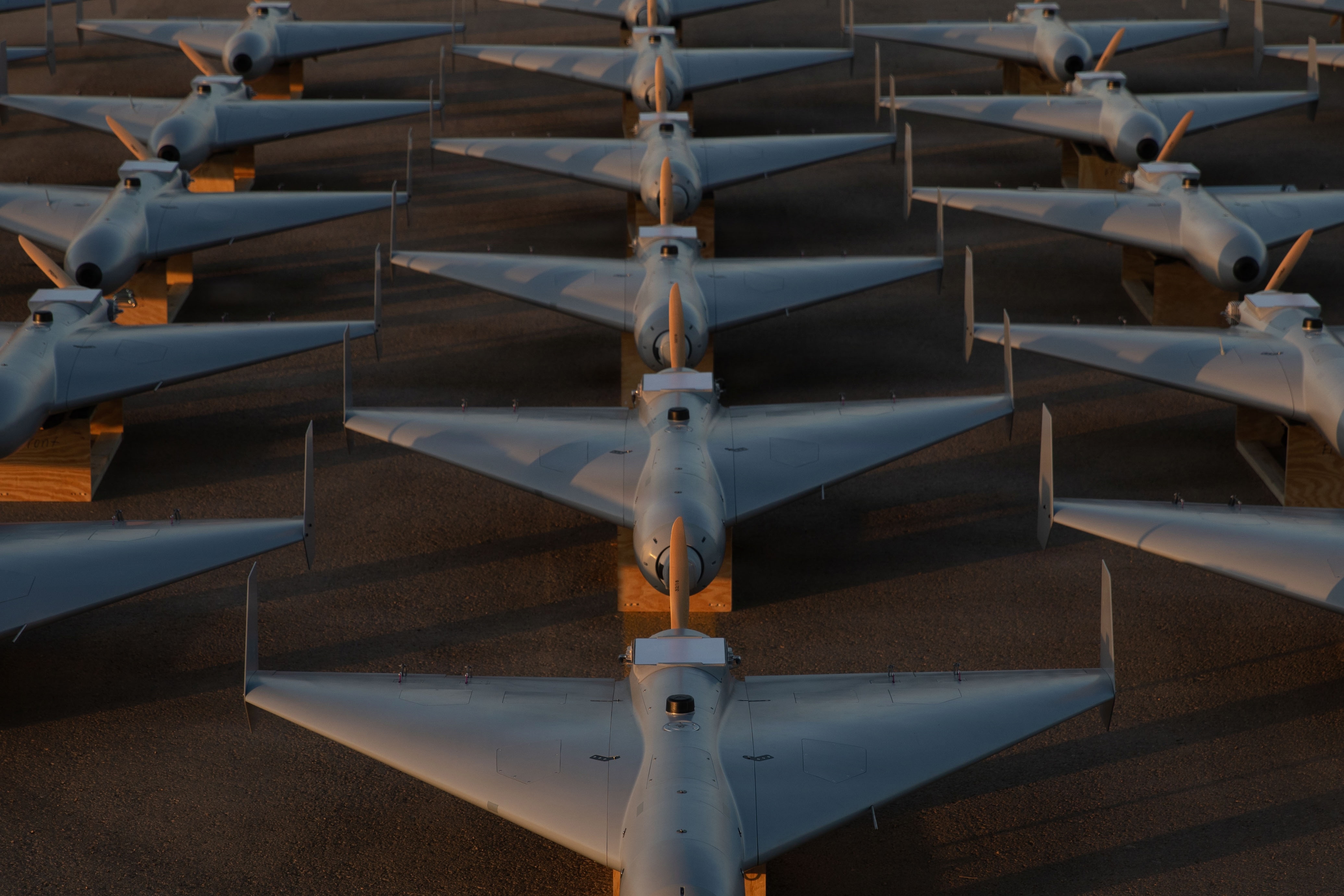
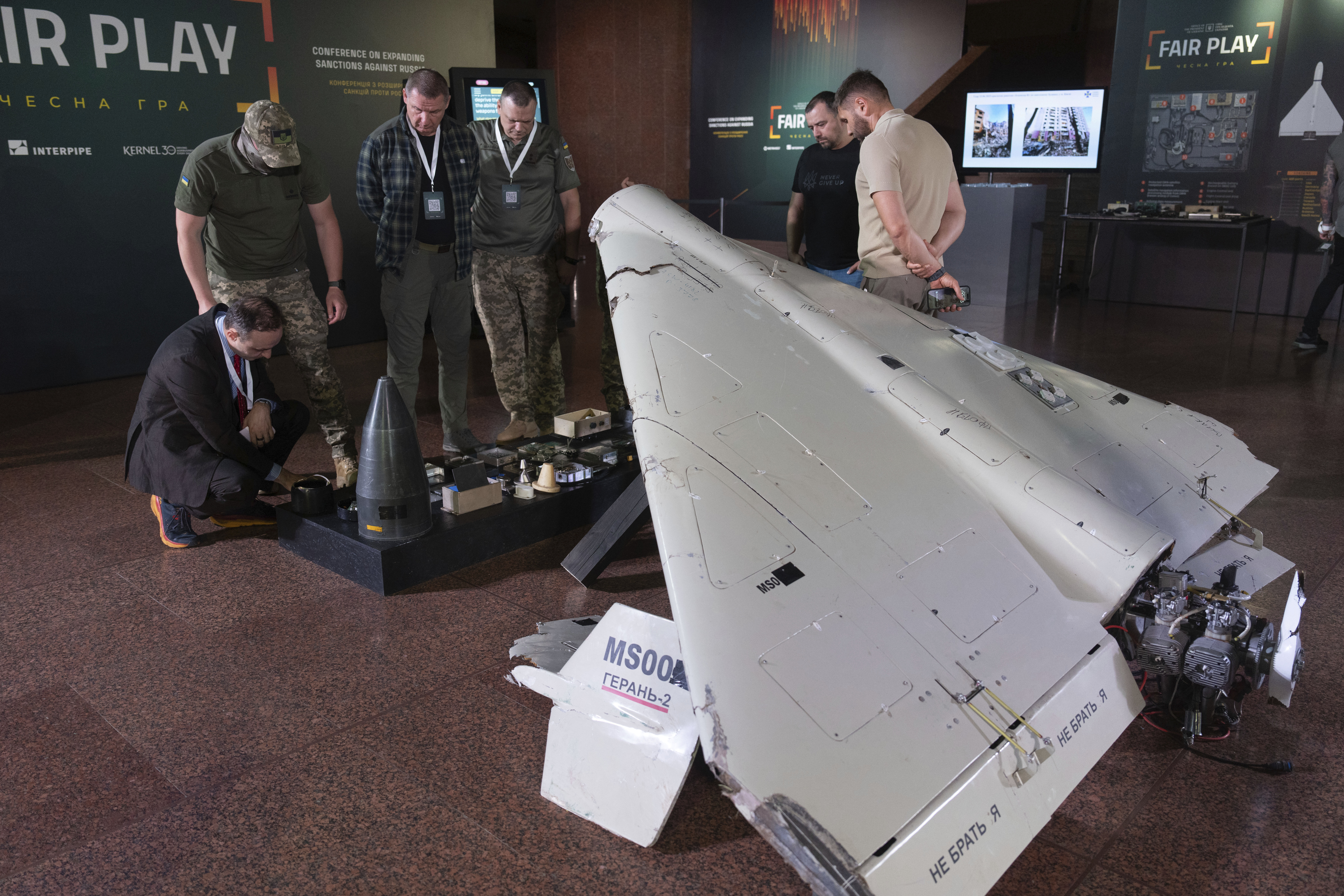
Ukraine first made the shift to cheap interceptors not by choice, but because Russia’s nightly Shahed waves were burning through Western-provided missiles faster than allies could resupply them.
Last month, Ukrainian interceptors destroyed more than 70% of incoming Shaheds over Kyiv, freeing scarce Patriot missiles for the ballistic threats they were designed to stop.
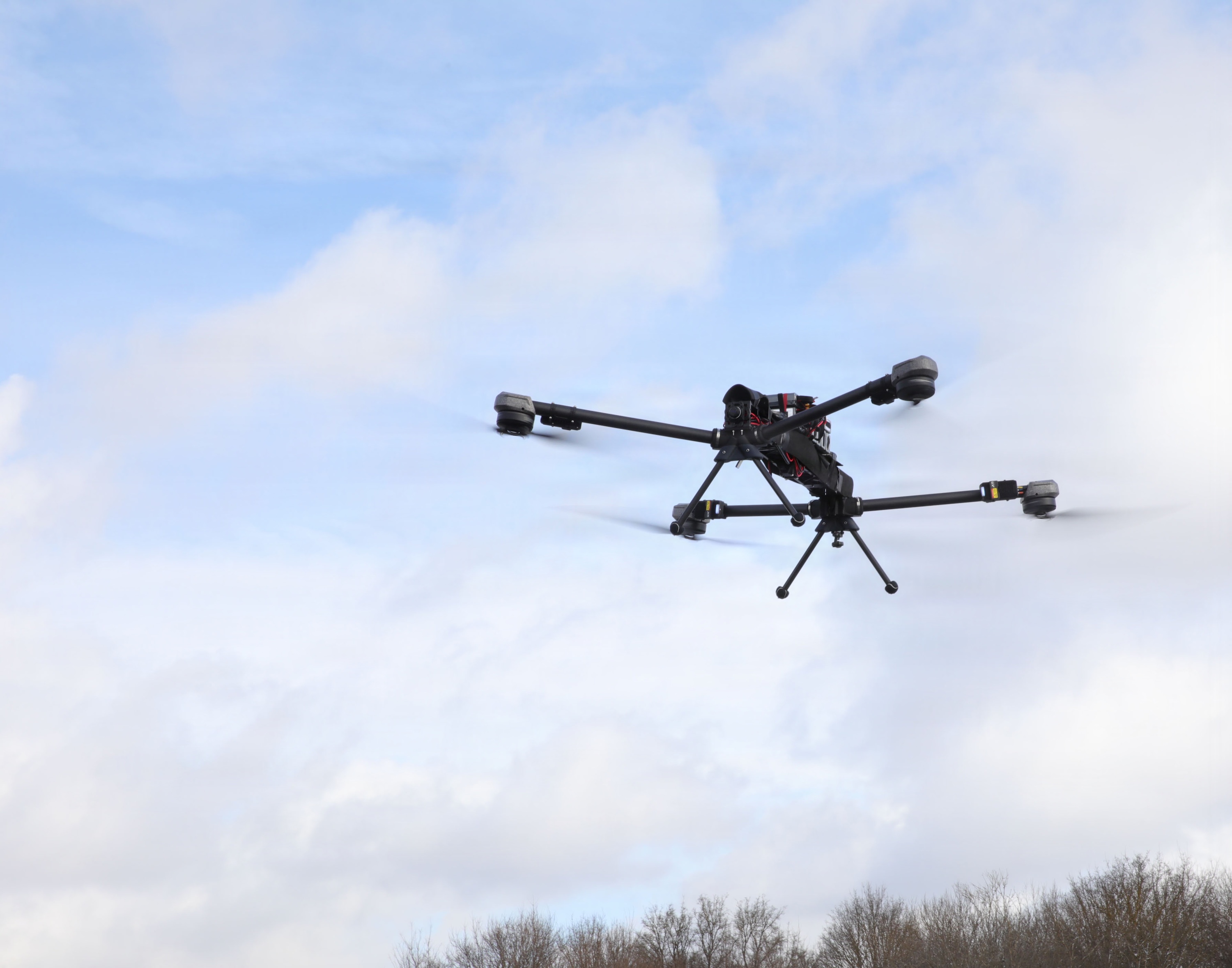
Interceptor drones are small, fast, semi-autonomous unmanned aircraft — often costing between $1,000 and $2,500 each — designed to hunt and destroy incoming drones by ramming into them or detonating alongside them at altitude.
Compact enough to fit inside a duffel bag and fast enough to chase a Shahed in the dark, Ukraine’s interceptors can fly at speeds between 195 and 280 miles per hour, depending on the model.
Most combine thermal imaging with radar tracking and AI-assisted guidance, with a human operator taking manual control for the final seconds of the intercept.
Battlefield Tech
C4ISRNet
[crypto-donation-box type=”tabular” show-coin=”all”]