 Max Headroom
Tesla Vice President Bonne Eggleston explained the latest updates in a trade secret theft case the company has against a former manufacturing equipment supplier, Matthews International.
Back in 2024, Tesla had filed a lawsuit against Matthews International, alleging that the firm stole trade secrets about battery manufacturing and shared those details with some of Tesla’s competitors.
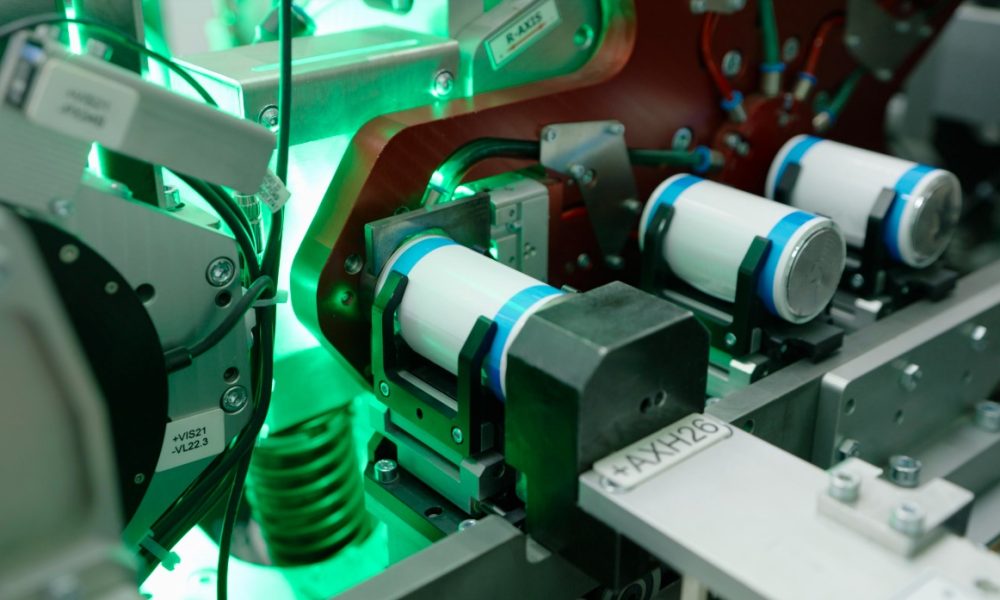
Early last year, a U.S. District Court Judge denied Tesla’s request to block Matthews International from selling its dry battery electrode (DBE) technology across the world. The judge, Edward Davila, said that the patent for the tech was due to Matthews’ “extensive research and development.”
The two companies’ relationship began back in 2019, as Tesla hired Matthews to help build the equipment for its 4680 battery cell. Tesla shared confidential software, designs, and know-how under strict secrecy rules.
Fast forward a few years, and Tesla reportedly caught Matthews copying the tech into machines that were sold to competitors, claiming they lied about doing so for three years, and continued to ship it. That is when Tesla chose to sue Matthews in July 2024 in Federal court, demanding over $1 billion in damages due to trade secret theft.
Now, the latest twist, as this month, a Judge issued a permanent injunction—a court order banning Matthews from using certain stolen Tesla parts or designs in their machines. Matthews is also officially “liable” for damages. The exact amount would still to be calculated later.
Bonne Eggleston, a VP for Tesla, said on X today that Matthews is a supplier who “exploited customer IP through theft or deception,” and has no place in Tesla’s ecosystem:
Buyer beware: Matthews International stole Tesla’s DBE technology and is now subject to an injunction and liable for damages.
During our work with Matthews, we caught them red-handed copying our technology—including proprietary software and sensitive mechanical designs—into… https://t.co/Toc8ilakeM
— Bonne Eggleston (@BonneEggleston) March 10, 2026
Tesla calls this a big win and warns other companies: “Buyer beware—don’t buy from thieves.”
Matthews hit back with a press release claiming victory. They say an arbitrator ruled they can keep selling their own DBE equipment to anyone and rejected Tesla’s request for a total sales ban. They call Tesla’s claims “nonsense” and insist their 20-year-old tech is independent. Both sides are spinning the same narrow ruling: Matthews can sell their version, but they’re blocked from using Tesla’s specific secrets.
What are Tesla’s Current Legal Options
The case isn’t over—it’s moving to the damages phase. Tesla can:
- Push forward in court or arbitration to calculate and collect huge financial penalties (potentially $1 billion+ if willful theft is proven).
- Enforce the permanent injunction with contempt charges, fines, or even jail time if Matthews violates it.
- Challenge Matthews’ new patents that allegedly copy Tesla’s work, asking courts to invalidate them or add Tesla as co-inventor.
- Seek extra damages, lawyer fees, and possibly punitive awards under the federal Defend Trade Secrets Act and California law.
Tesla could also refer evidence to federal prosecutors for possible criminal trade-secret charges (rare but serious). Settlement is always possible, but Tesla’s fiery public response suggests they want full accountability.
This isn’t just corporate drama. It shows why trade secrets matter even when Tesla open-sources some patents, confidential know-how shared in trust must stay protected. For the EV industry, it’s a reminder: steal from your biggest customer, and you risk losing everything.
The post Tesla VP explains latest updates in trade secret theft case appeared first on TESLARATI.
News, Tesla, Featured, Matthews International, Tesla 4680 battery
TESLARATI
[crypto-donation-box type=”tabular” show-coin=”all”]