Tyler Durden
Australia’s Social Media Ban For Under-16s Comes Into Effect
Authored by Victoria Friedman via The Epoch Times (emphasis ours),
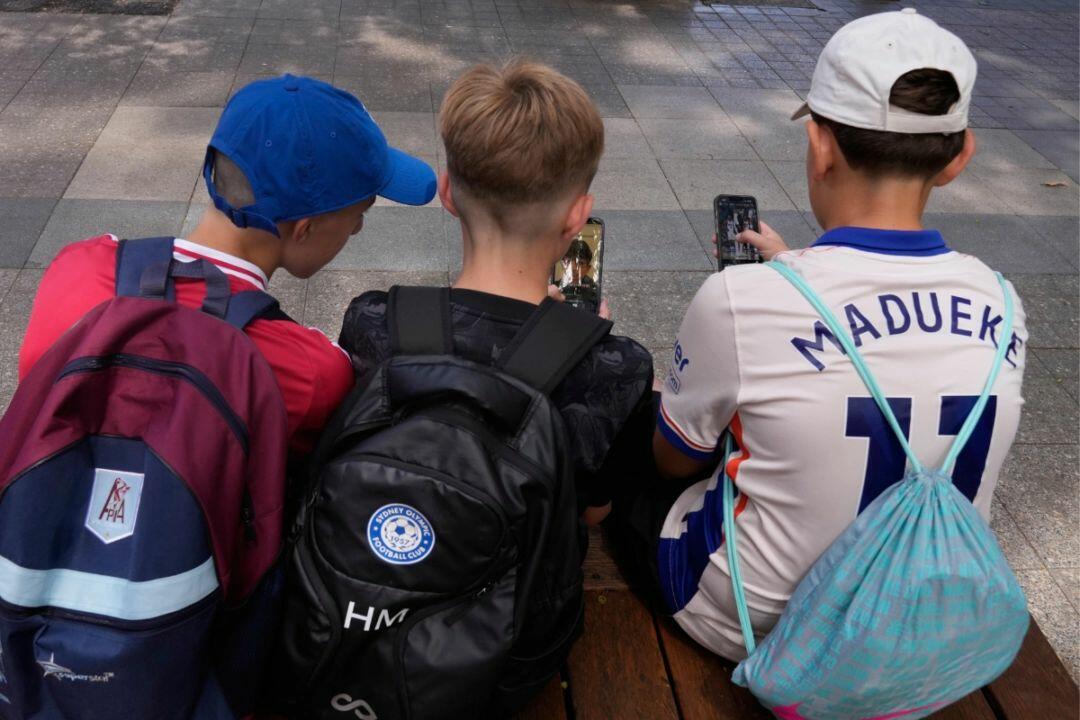
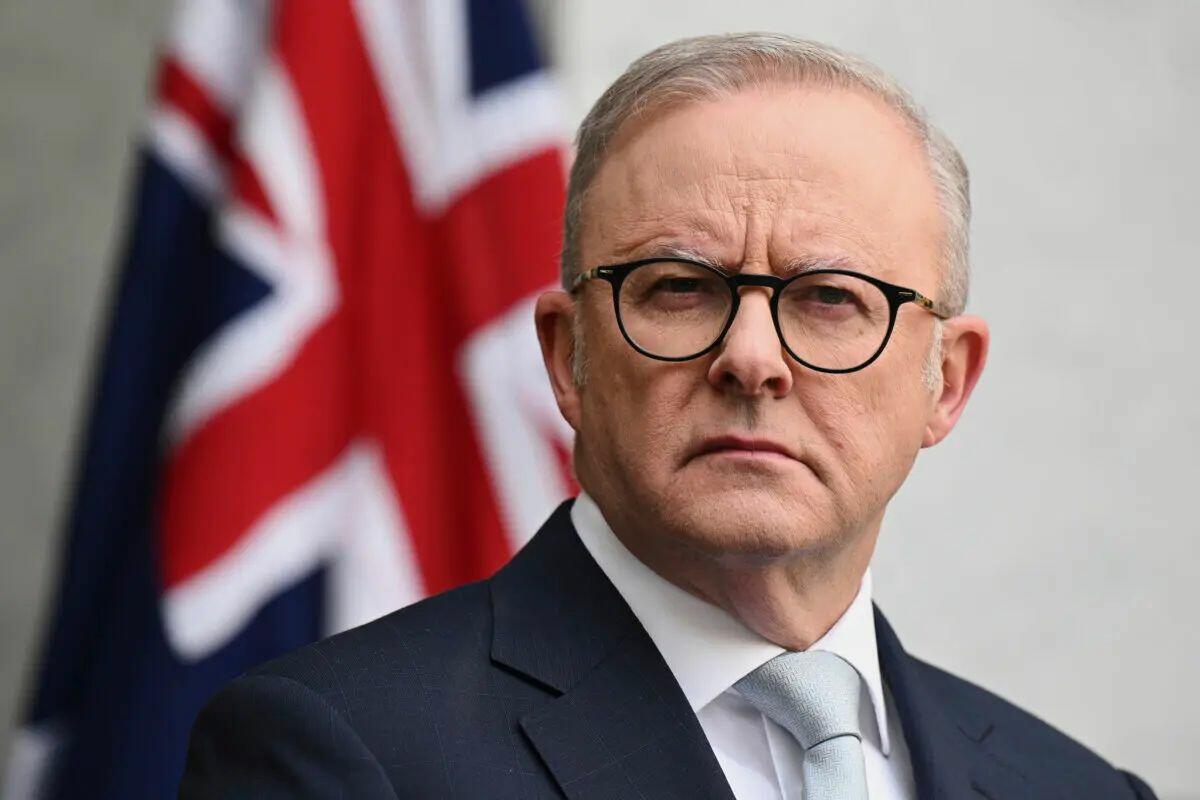
A social media ban for those younger than 16 in Australia came into effect on Dec. 10, with Australian Prime Minister Anthony Albanese hailing the world’s first restriction of its kind as giving children back their childhoods.
As of Dec. 10, according to the Online Safety Amendment (Social Media Minimum Age) Act, social media platforms must stop under-16s in Australia from signing up for accounts and must begin phasing out existing accounts for underage children.
Facebook, Instagram, Kick, Reddit, Snapchat, Threads, TikTok, Twitch, X, and YouTube are now age-restricted platforms in Australia. These platforms are expected to take “reasonable steps” to prevent those younger than age 16 in the country from having or signing up for accounts, according to the Australian eSafety Commissioner website.
Companies failing in this regard face fines of up to AU$49.5 million (US$32.9 million).
The restrictions were brought in amid concerns over mental health, online harms, and screen addiction affecting Australian children.
“Enforcing a minimum account age of 16 will create normative change and give young people a reprieve from powerful and persuasive design features built to keep them hooked, often enabling harmful content and conduct online,” Australian eSafety Commissioner Julie Inman Grant said in a statement on Dec. 10.
She said that although no single measure is a “silver bullet,” the restrictions are part of a holistic approach that includes education and outreach.
The eSafety Commissioner website states that platforms must use measures for age verification that respect privacy laws and digital rights, suggesting that platforms use “age-related signals” to work out whether someone is underage, such as how long an account has been active, analysis of the user’s language level, and behavioral and interaction signals.
The website states that people who do have to prove their identity will not be forced to use a government ID, saying that the Social Media Minimum Age legislation “specifically prohibits platforms from compelling Australians to provide a government-issued ID or use an Australian Government accredited digital ID service to prove their age.” Platforms may offer it as an option but must also offer a reasonable alternative.
Global Issue
“This is the day when Australian families are taking back power from these big tech companies, and they’re asserting the right of kids to be kids and for parents to have greater peace of mind,” Albanese told ABC News Australia on Dec. 10.
When asked what advice he can give to parents and children concerned about the impact of the loss of social media profiles, the prime minister said families need to have that discussion and talk these issues through.
“We understand that this is going to be difficult,” Albanese said. “But it is so important that young people are given the opportunity to actually grow as young humans and to differentiate, as well, between what is real in human interactions and what they can often be exposed to online.”
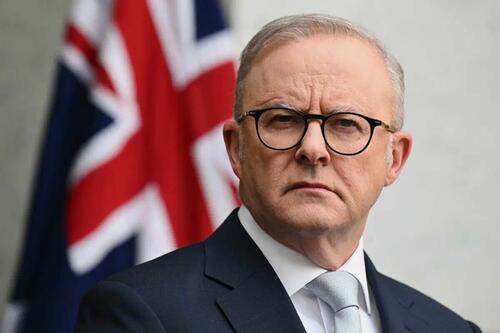
The prime minister said that although his country is the first to have enacted such legislation, the impact of social media on children is a global problem. Other countries, including Malaysia and Denmark, as well as various states across the United States, are either bringing in similar controls or attempting to.
“New technology can do wonderful things, but we need to make sure that humans are in control of our own destiny, and that is what this is about, particularly focused on our youngest Australians,” Albanese said.
US, Australian Parents Back Bans
A recent survey found that most parents in Australia and the United States are in favor of social media bans for those younger than 16.
The Family Online Safety Institute found that 65 percent of Australian parents and 58 percent of U.S. parents supported such measures. Support among children aged 10 to 17 was much lower; 38 percent of young Australians and 36 percent of young Americans were in favor.
In its report, published on Dec. 9, the institute found that 52 percent of U.S. parents and 42 percent of Australian parents are confident that social media bans will protect children’s mental health. Lower percentages of American (43 percent) and Australian (33 percent) youth hold the same view.
However, both age groups shared the same beliefs about whether such bans would reduce young people’s overall screen use.
“Many children, 64 percent in the U.S. and 59 percent in Australia, say that with a social media ban in place, they would spend more time on other digital platforms, including video games or text messaging,” the report states.
“This could indicate that total screen time could remain the same, just with a shift to different digital platforms.”
Tyler Durden
Thu, 12/11/2025 – 09:35
ZeroHedge News
[crypto-donation-box type=”tabular” show-coin=”all”]