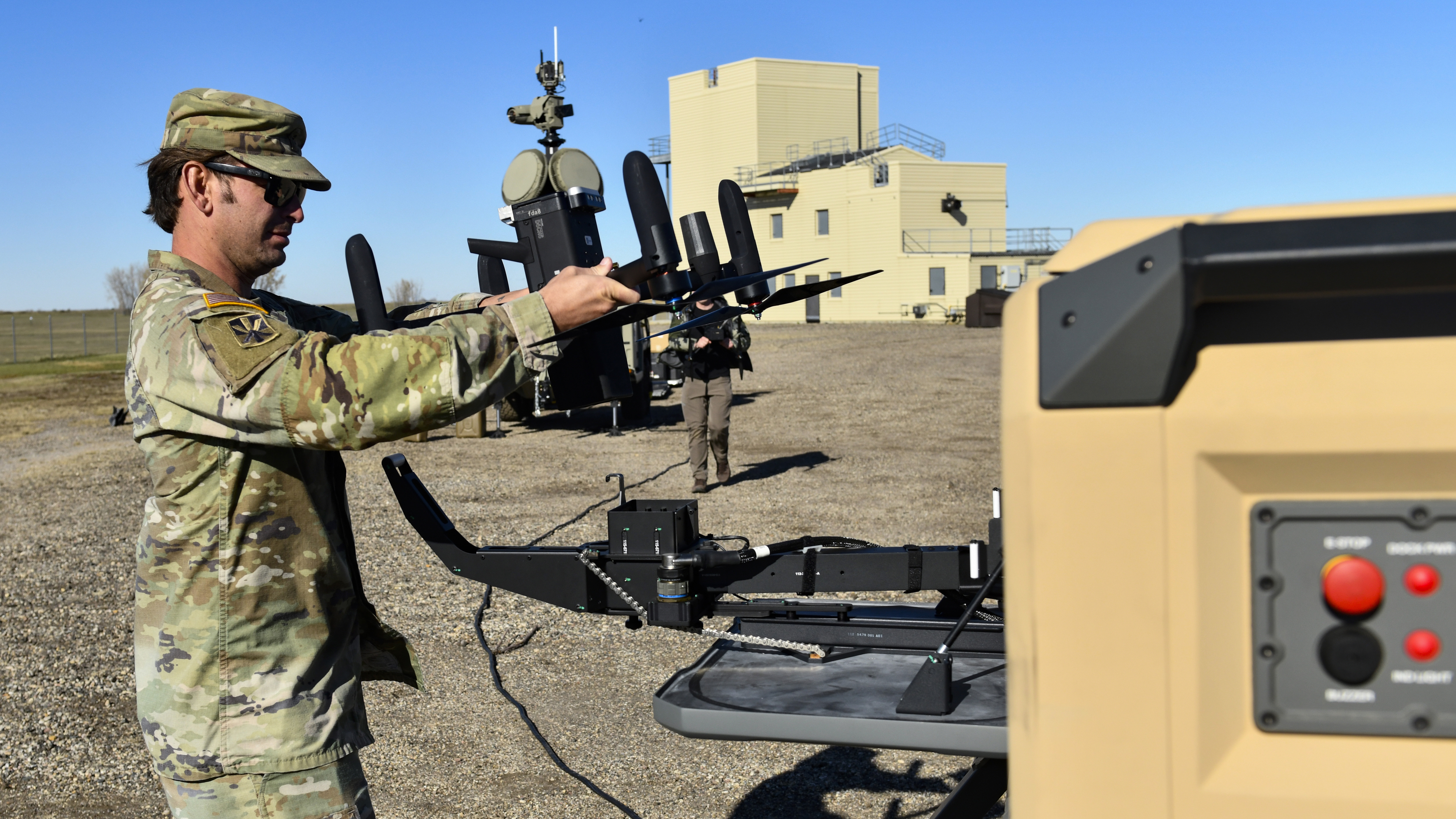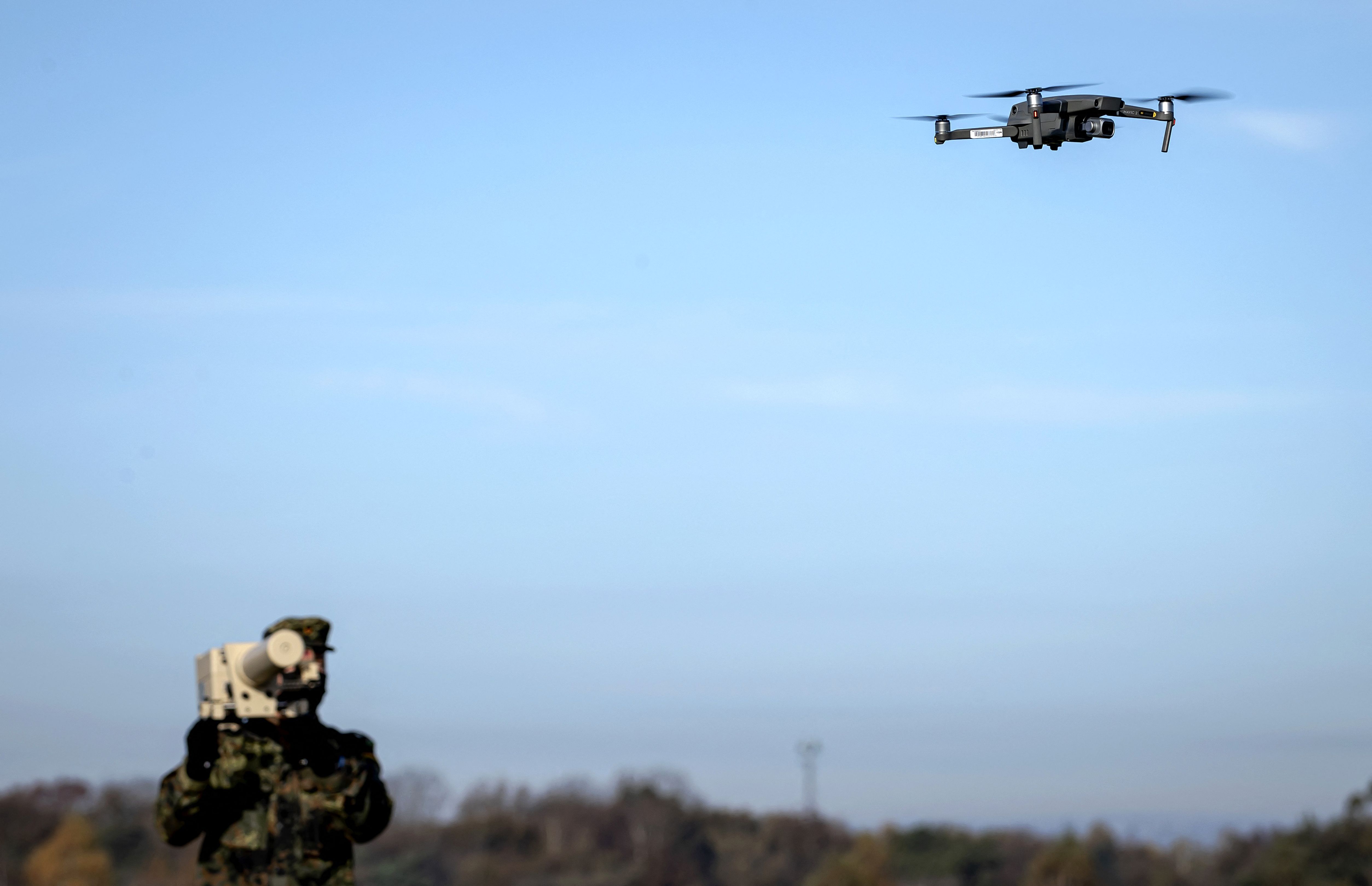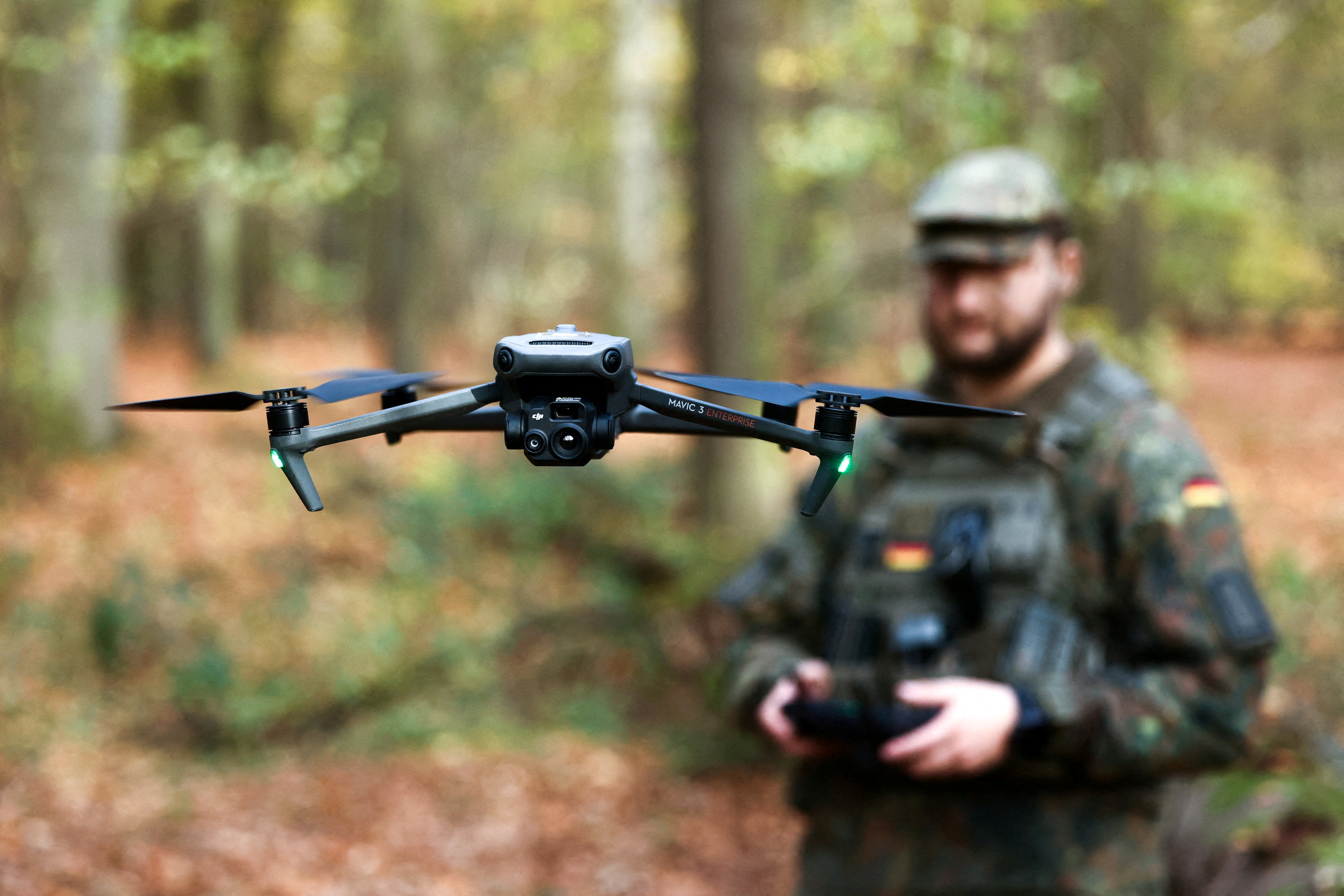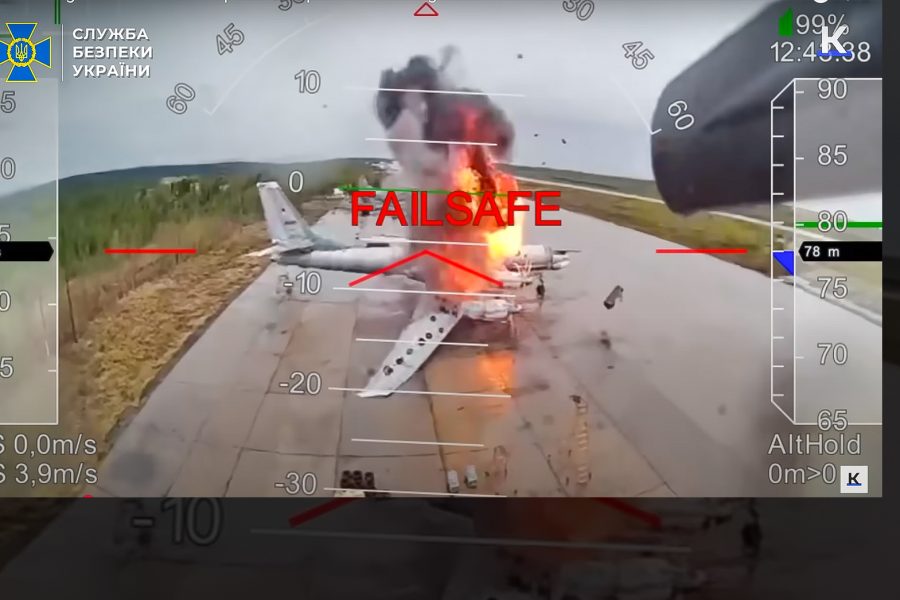
Air Force acquisition officials are on the hunt for small, easily portable, one-way attack drones to arm special forces operators, so they can launch first-person-view precision strike missions like Ukraine has used to great effect against Russia.
In a March 18 request for information posted on Sam.gov, the Air Force Life Cycle Management Center’s Intelligence, Surveillance and Reconnaissance & Special Operations Forces Directorate said it is conducting market research on one-way attack drones capable fitting in a backpack and delivering fragmentation or penetrator style munitions on top of targets more than 12 miles away.
“Air Force Special Operations Command and special tactics units currently lack a purpose-built first-person view (FPV) unmanned capability,” the request states. “This deficit restricts the force’s ability to employ FPV systems in specialized mission sets and limits the development of standardized tactics, techniques, and procedures essential for modern, high-intensity conflict.”
One-way attack drones are quickly becoming a permanent addition to the U.S. military’s arsenal. Task Force Scorpion Strike—a new drone squadron established by U.S. Central Command—has launched its Low-cost Unmanned Combat Attack System, or LUCAS, drones against Iranian targets during Operation Epic Fury. The LUCAS drones are a reengineered version of the Iranian fixed-wing Shahed capable of traveling distances of roughly 500 nautical miles. The Air Force also plans to stand up an experimental operational unit this year that will serve as a model for future units of action tasked with launching swarms of one-way attack drones over several hundred miles against peer adversaries such as China.
This new RFI, however, is slightly different for the Air Force in its focus on very small drones—the request specifies that the service is looking for aircraft that weigh roughly 15 pounds each with a potential of reaching a final goal weight of five pounds each. These one-way attack drones would be capable of flying for up to 30 minutes while carrying a payload out to distances of roughly 20 kilometers, or more than 12 miles.
Those characteristics would put the special ops drones on the bottom rung of the Pentagon’s five-tier classification system, “Group 1.”
These drones would be controlled via handheld device as well as via Android Team Awareness Kit, or ATAK, a tactical Android smartphone small-unit ground combat forces carry for precision targeting, navigation, and sharing battlefield information. The system would also need to integrate GPS and 4G/LTE/5G cellular connectivity.
Companies have until April 17 to respond.
The Pentagon intends to spend $1.1 billion over the next 18 months on Drone Dominance, a program launched in December that’s aimed at testing and purchasing more than 200,000 drones of various sizes by January 2028, Owen West, the Pentagon’s senior advisor on the program, said during a March 5 congressional hearing.
One goal of the Drone Dominance program is to build a U.S. industry around small drones, so they can be produced in greater numbers at a lower cost. In its initial phase, the program is paying about $5,000 each for “Group 1” drone, Drone Dominance program manager Travis Metz said during the March 5 hearing, adding that “by the end of this program, our goal is to get down to less than $2,000 for a one-way kamikaze attack drone.”
Ukraine has successfully adapted readily available Chinese commercial drones into formidable, one-way attack weapons such as those it used in Operation Spiderweb to attack Russian strategic airfields. The U.S. is working with Ukraine to move away from Chinese supply chains and convince the Ukrainians to bring their drone expertise to America.
“The best drones in the world in terms of battlefield capacity and in terms of their scalability at the manufacturing level are in Ukraine,” Metz said. “One of the goals of the [Drone Dominance] program was to convince some of the most sophisticated drone companies in the world to bring manufacturing here so that we have the benefit for the warfighters.”
The post Air Force Special Ops Wants FPV Drones That Can Fit in a Backpack appeared first on Air & Space Forces Magazine.
Air, Technology, AFSOC, Air Force Special Operations Command, drones, FPV drones, Iran, special operations, special operations airmen, Ukraine
Air & Space Forces Magazine
[crypto-donation-box type=”tabular” show-coin=”all”]