Tyler Durden
Anduril Lands $20 Billion Pentagon Contract For “Modern Battlefield” Hardware
Nine days after Axios reported that Palmer Luckey’s Anduril was raising around $4 billion at a $60 billion valuation led by a16z and Thrive Capital, Luckey landed a major enterprise contract with the US Army worth up to $20 billion over 10 years.
Announced on Friday, the deal features a five-year base period with an option to extend for another five years – and includes over 120 separate procurement actions into a single agreement which covers the full range of Anduril’s commercial solutions – including hardware, software, infrastructure, data, computer systems, and technical support services.
“The modern battlefield is increasingly defined by software. To maintain our advantage, we must be able to acquire and deploy software capabilities with speed and efficiency,” said Gabe Chiulli, chief technology officer at the Department of War’s Office of the Chief Information Officer.
The contract centers around Anduril’s proprietary, open-architecture, AI-enabled Lattice platform, which serves as the core for integrating and unifying these capabilities into a mission-ready ecosystem. Recent reporting highlights its role in boosting counter-drone (counter-UAS) interoperability and other emerging needs.
Anduril, founded in 2017 by Luckey (the creator of Oculus VR), has grown rapidly as a defense tech company focused on autonomous systems and AI-driven solutions. Last year, it reportedly generated around $2 billion in revenue. The company has gained traction under the second Trump administration for its emphasis on autonomous military technologies, including drones, fighter jets, and submarines.
In January of last year, it was reported that Anduril will build a weapons megafactory, Arsenal-1, in Columbus, Ohio – which could ‘go hot’ as soon as July 2026. The five million-square-foot facility will be built near Rickenbacker International Airport.
What Anduril Makes for the US Government and How It’s Used
Anduril specializes in advanced autonomous systems, AI-powered software, and networked defense technologies designed for rapid deployment and scalability – often developed with private R&D funding before government contracts. Its flagship product is the Lattice platform: an open, AI-enabled software system that fuses data from sensors, drones, and other assets to provide real-time command and control (C2), situational awareness, and autonomous decision-making. Lattice integrates third-party and government systems, enabling a “software-defined” approach to warfare where updates happen quickly like commercial tech.
Key products Anduril supplies to the US government (primarily the Department of Defense, including the Army, Marine Corps, Navy, Air Force, and Special Operations Command) include:
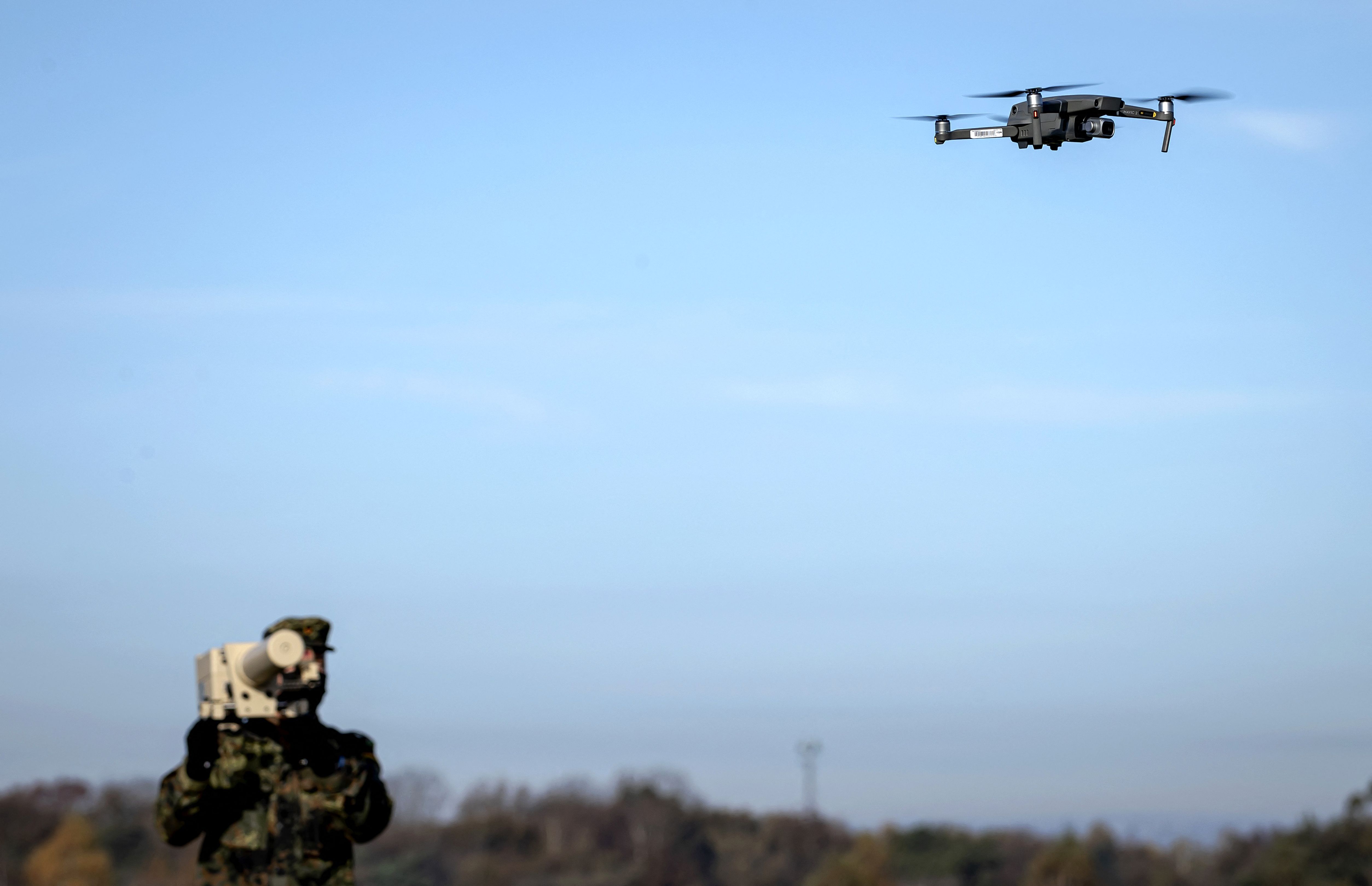
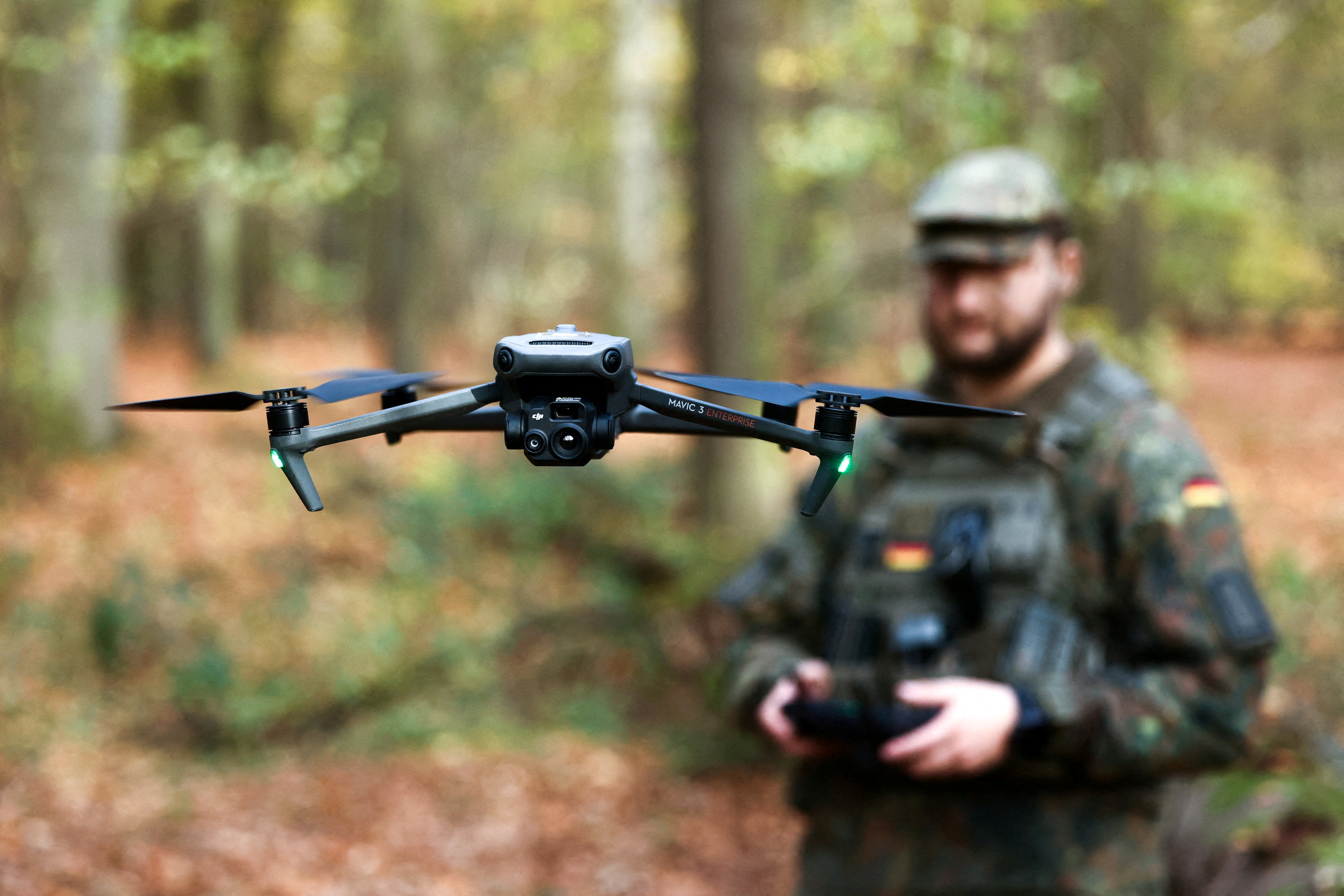
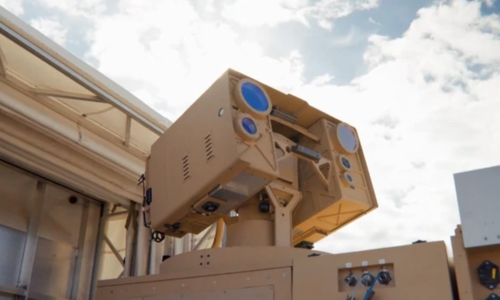
- Counter-UAS (counter-drone) systems — AI-powered tools to detect, track, and defeat small unmanned aerial threats, used for base protection, force protection, and battlefield defense amid rising drone proliferation (e.g., in contracts with SOCOM and the Marine Corps).
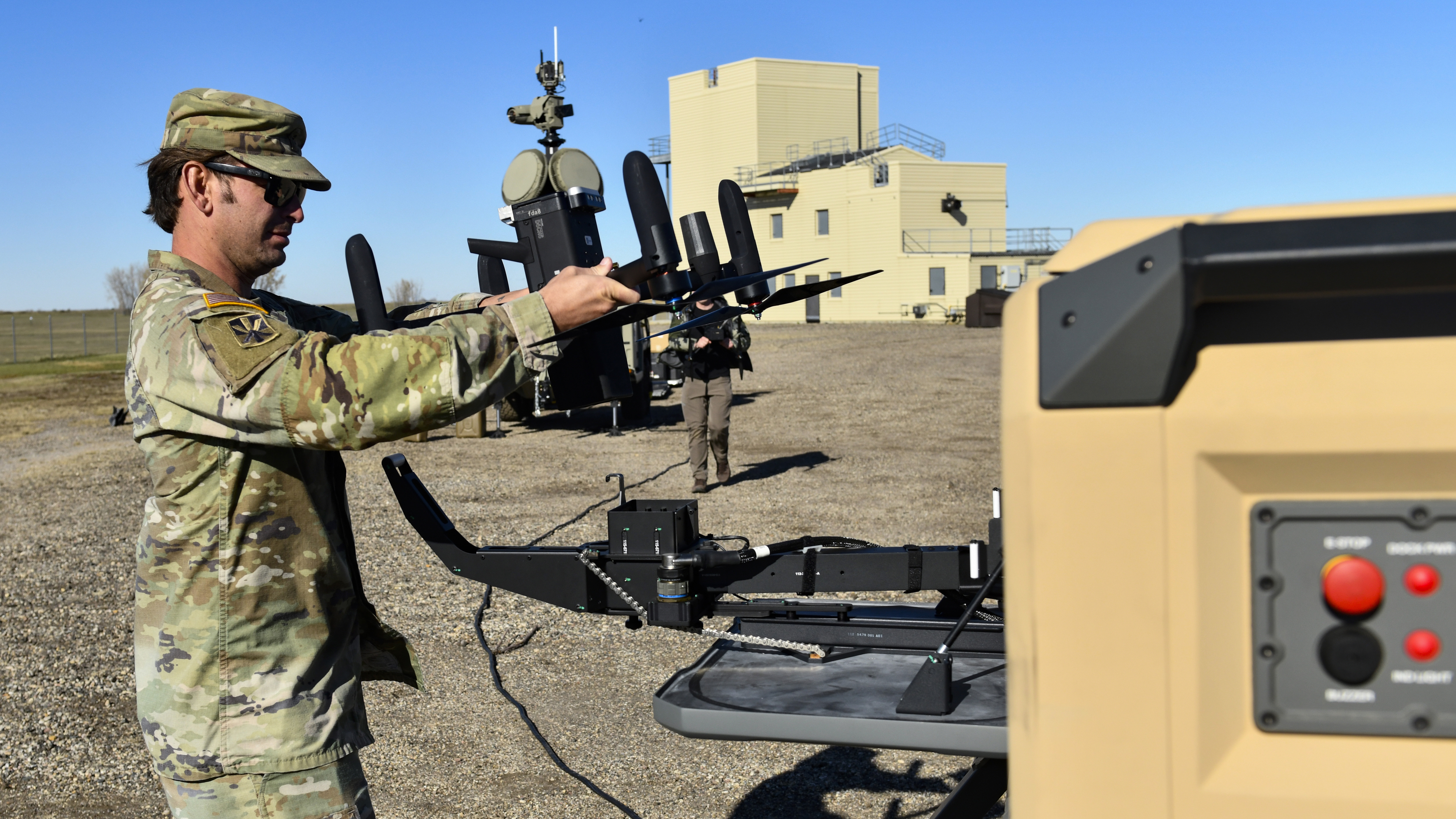
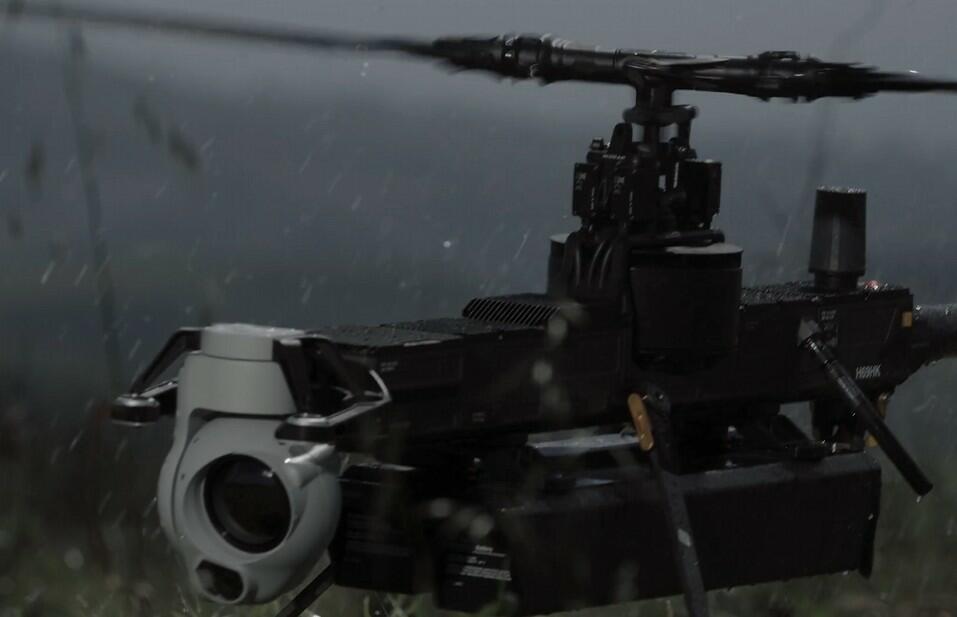
- Autonomous aerial systems — Such as the Ghost and Ghost-X small UAS for intelligence, surveillance, reconnaissance (ISR), overwatch, and target identification at the squad level; larger systems like Fury for collaborative combat aircraft prototypes with the Air Force.
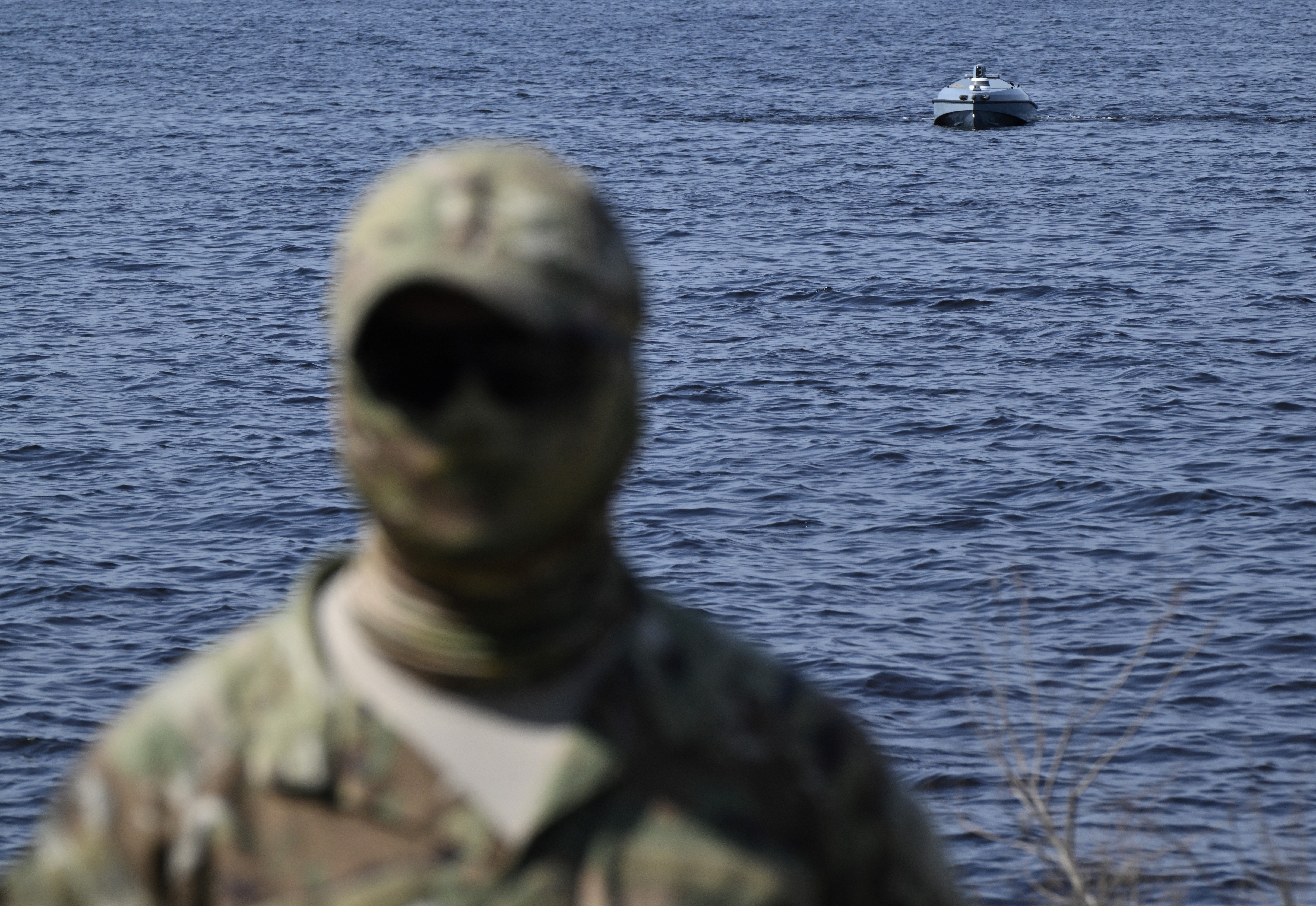
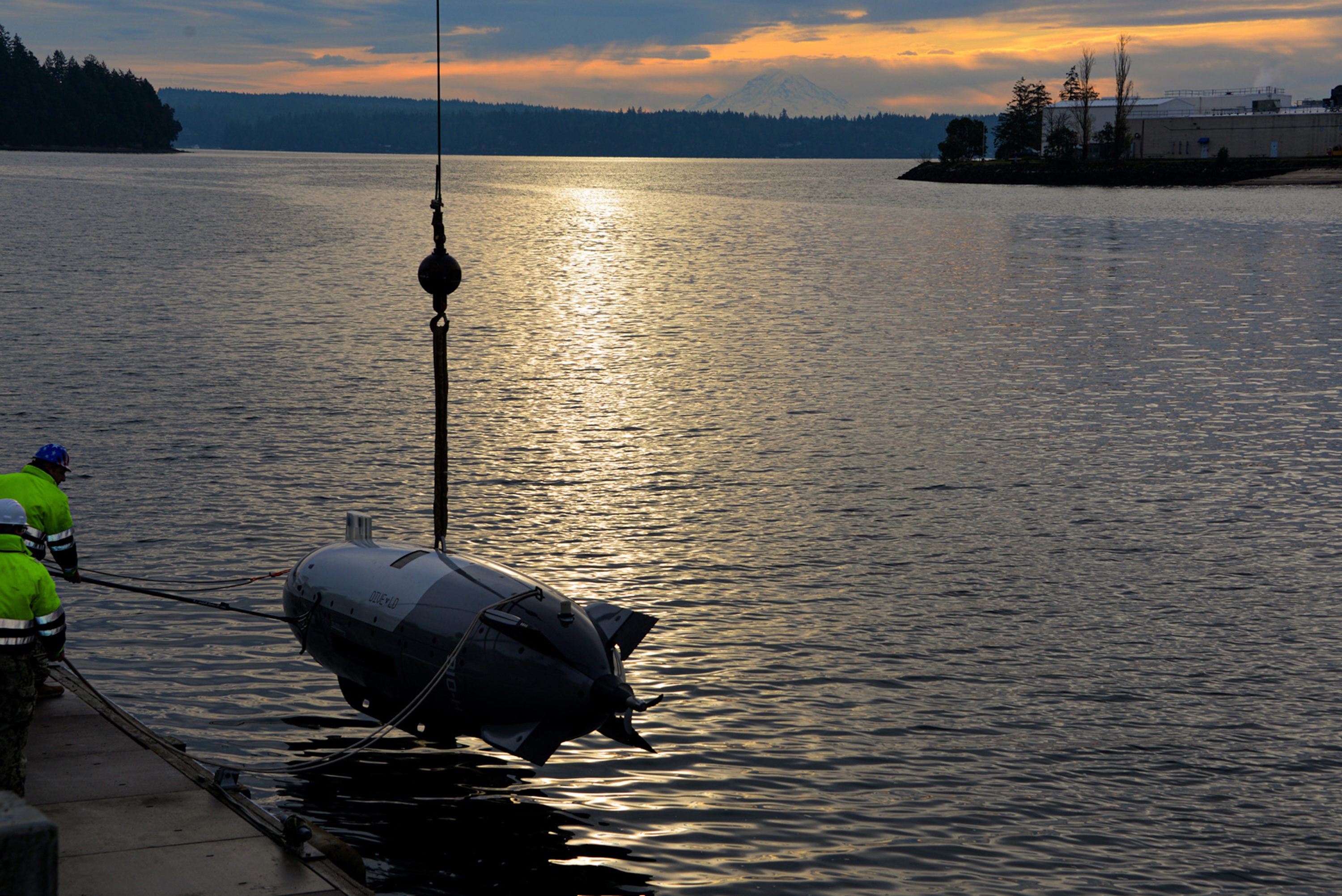
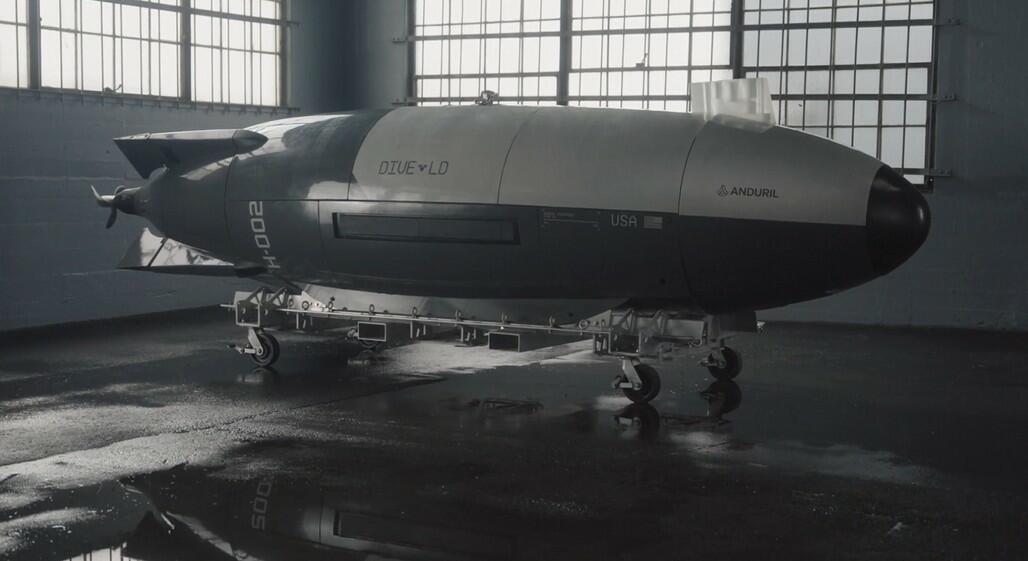
- Autonomous underwater vehicles (AUVs) — Including Dive-LD (long-duration) and Dive-XL variants for persistent undersea missions like ISR, mine countermeasures, and anti-submarine warfare; related tech from the Ghost Shark program (developed for allies like Australia) has influenced US Navy selections.
- Surveillance and sensor networks — Semi-portable autonomous towers and ground-based systems for persistent monitoring of borders, infrastructure, or land regions (originally prominent in DHS/CBP border security “virtual wall” deployments).
- Other hardware and munitions — Precision strike systems like Bolt-M for the Marine Corps’ Organic Precision Fires-Light program (man-packable loitering munitions for infantry squads); solid rocket motors for missiles; and contributions to programs like robotic combat vehicles or Integrated Visual Augmentation System (IVAS) support.
- Broader infrastructure — Networked command/control software, data processing, and edge computing to enable “connected warfare” across domains (air, land, sea).
These systems are used to modernize US forces by emphasizing attritable (low-cost, replaceable) autonomous assets, software agility, and countering peer threats (e.g., from China or Russia) through faster innovation cycles. Lattice often acts as the “brain,” creating extensible networks where drones, sensors, and effectors operate together autonomously or semi-autonomously, reducing human risk and enhancing decision speed on the battlefield. This $20B Army contract builds on prior awards (e.g., counter-UAS deals worth hundreds of millions) and signals deeper integration of Anduril’s tech across Army operations.
Tyler Durden
Sun, 03/15/2026 – 13:25
ZeroHedge News
[crypto-donation-box type=”tabular” show-coin=”all”]