 Max Headroom
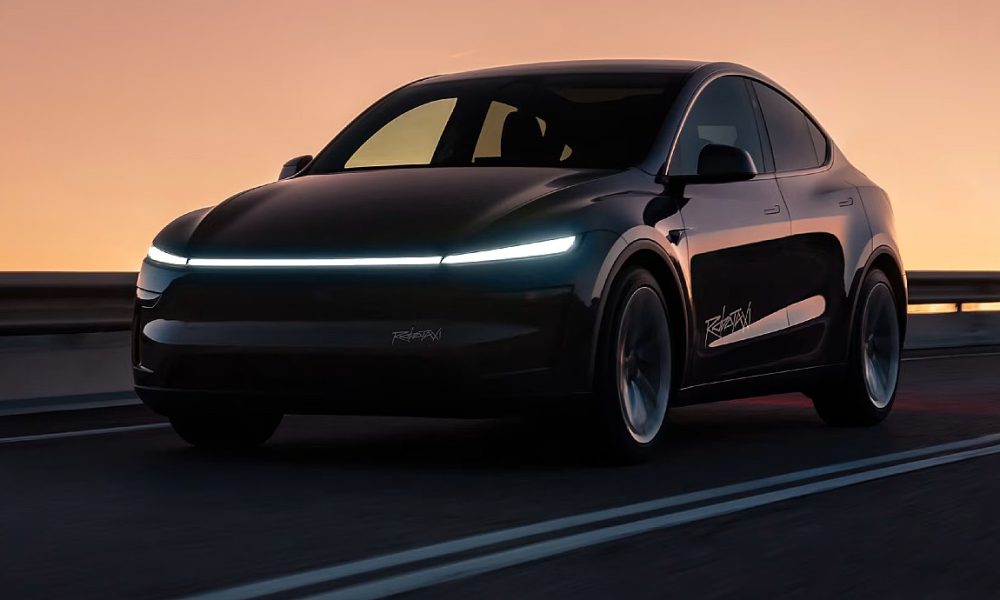
Tesla Robotaxi is active in both the Bay Area of California and Austin, Texas, and the fleet has reached a new milestone that should expel a common complaint: lack of availability.
It has now been confirmed by Robotaxi Tracker that the fleet of Tesla’s ride-sharing vehicles has reached 200, with 158 of those being available in the Bay Area and 42 more in Austin. Despite the program first launching in Texas, the company has more vehicles available in California.
The California area of operation is much larger than it is in Texas, and the vehicle fleet is larger because Tesla operates it differently; Safety Monitors sit in the driver’s seat in California while FSD navigates. In Texas, Safety Monitors sit in the passenger’s seat, but will switch seats when routing takes them on the highway.
Tesla has also started testing rides without any Safety Monitors internally.
Tesla Robotaxi goes driverless as Musk confirms Safety Monitor removal testing
This new milestone confronts a common complaint of Robotaxi riders in Austin and the Bay, which is vehicle availability.
There have been many complaints in the eight months that the Robotaxi program has been active about ride availability, with many stating that they have been confronted with excessive wait times for a ride, as the fleet was very small at the beginning of its operation.
I attempted to take a @robotaxi ride today from multiple different locations and time of day (from 9:00 AM to about 3:00 PM in Austin but never could do so.
I always got a “High Service Demand” message … I really hope @Tesla is about to go unsupervised and greatly plus up the… pic.twitter.com/IOUQlaqPU2
— Joe Tegtmeyer

(@JoeTegtmeyer) November 26, 2025


With that being said, there have been some who have said wait times have improved significantly, especially in the Bay, where the fleet is much larger.
Robotaxi wait times here in Silicon Valley used to be around 15 minutes for me.
Over the past few days, they’ve been consistently under five minutes, and with scaling through the end of this year, they should drop to under two minutes. pic.twitter.com/Kbskt6lUiR
— Alternate Jones (@AlternateJones) January 6, 2026
Tesla’s approach to the Robotaxi fleet has been to prioritize safety while also gathering its footing as a ride-hailing platform.
Of course, there have been and still will be growing pains, but overall, things have gone smoothly, as there have been no major incidents that would derail the company’s ability to continue developing an effective mode of transportation for people in various cities in the U.S.
Tesla plans to expand Robotaxi to more cities this year, including Miami, Las Vegas, and Houston, among several others.
The post Tesla Robotaxi fleet reaches new milestone that should expel common complaint appeared first on TESLARATI.
News, Tesla, Featured, Tesla Full Self-Driving, Tesla Robotaxi
TESLARATI
[crypto-donation-box type=”tabular” show-coin=”all”]