 Tyler Durden
Oklo Loses PJM Queue Fight As FERC Points To Flawed Application
Data centers have become the favorite explanation for the price-of-power squeeze. But, years of inadequate transmission planning and clogged interconnection queues have left the system struggling to accommodate new generation, too.
As we previously highlighted with Three Mile Island’s restart, even a load that used to be connected to the grid can be told to wait several years before seeing a reconnection become possible.
Now, advanced reactor developer Oklo has provided another reminder of how expensive a place in that queue can become. Although, in this case, Oklo dug its own hole.
On September 24th, FERC rejected Oklo’s bid to reverse its removal from PJM’s current interconnection study cycle. The proposed Virginia project combines 150 MW of nuclear generation, 300 MW of fuel cells and 300 MW of gas generation.
PJM booted Oklo from the study cycle back in August. Oklo warned that losing its place would push development back by more than a year and increase costs, neither of which reflects positively on a nuclear industry recovering from decades of delays and cost overruns.
The dispute began after Oklo submitted its application in April. PJM identified multiple deficiencies in the application the next month, all of which Oklo claimed were fixed in the days immediately after being notified.
Then came a communications breakdown. In its emergency complaint filed in August, Oklo accused PJM of posting additional objections in its application portal without emailing a formal deficiency notice or allowing another repair round.
According to FERC’s order, PJM needed a workable computer model of the entire 750 MW facility. Oklo’s submission demonstrated stability only for the 300 MW fuel-cell portion. PJM said the nuclear and gas units became unstable when included.
After all the back-and-forth, Oklo was unable to save the application, and FERC ruled in PJM’s favor.
The worst part about the deal is arguably how painfully similar the entire situation is to Oklo’s first attempt at licensing their reactor. After almost two years of back-and-forth with the NRC, the regulator rejected Oklo’s submission, citing missing information regarding potential accidents and safety systems and components.
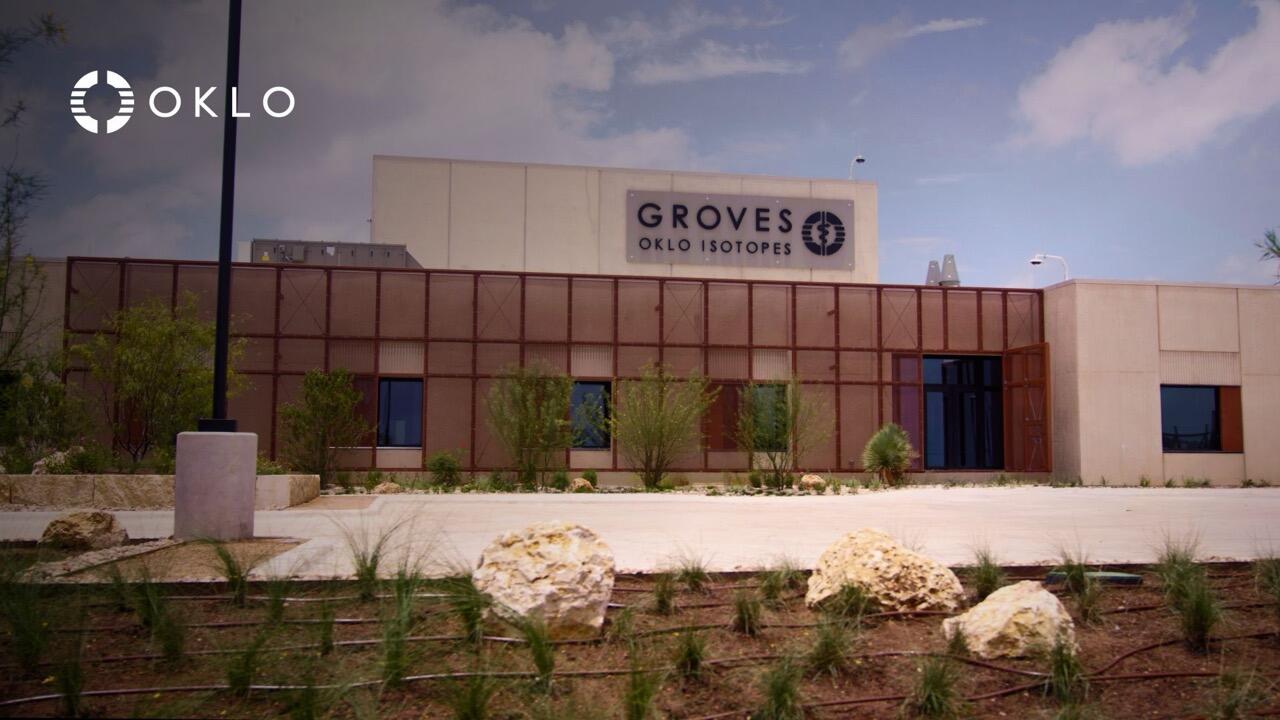
While Oklo did score a win recently with obtaining initial criticality on their isotope production reactor in Texas, this is another painful loss which shows the company may not have learned its lesson yet.

Tyler Durden
Tue, 09/29/2026 – 12:00
ZeroHedge News
[crypto-donation-box type=”tabular” show-coin=”all”]