 Tyler Durden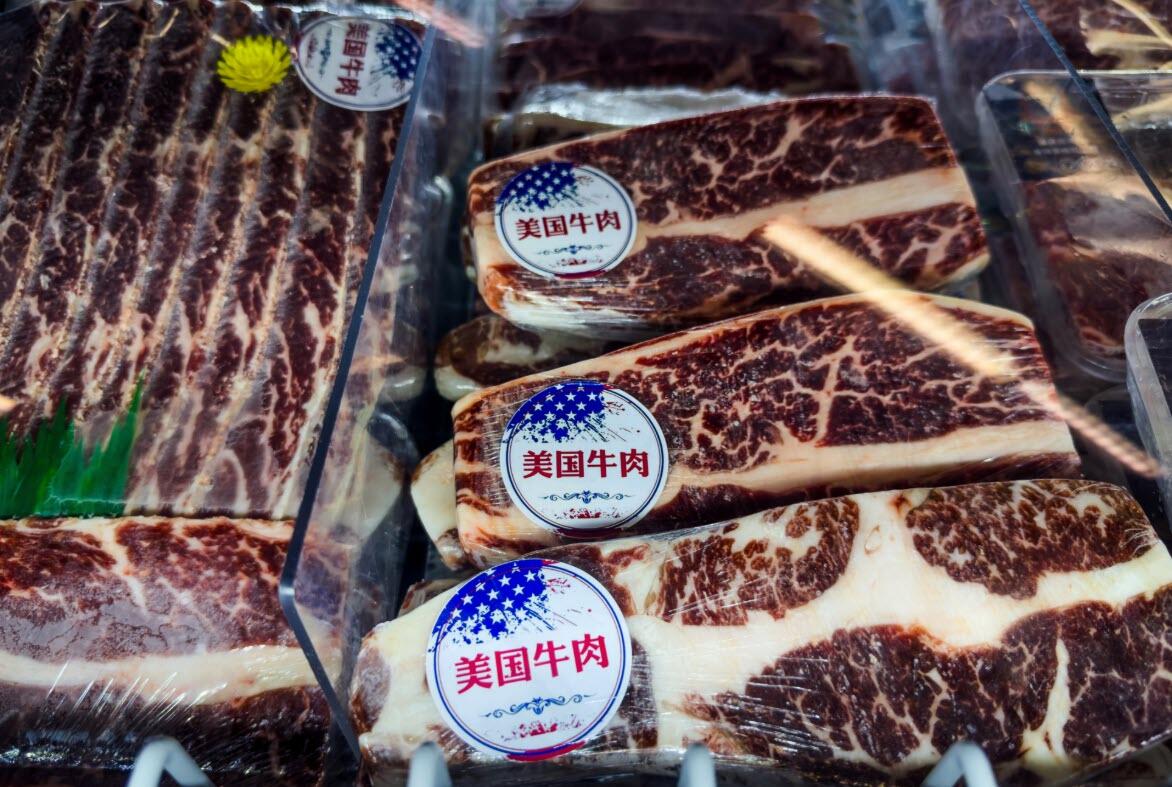
5 Takeaways From The New US-China Tariff-Relief Product Lists
Authored by Arthur Zhang via The Epoch Times,
The United States and China have released product lists covering about $30 billion in imports in each direction that could receive lower tariffs under an agreement reached after Chinese leader Xi Jinping’s visit to Washington.
The lists cover 77 categories of Chinese goods entering the United States and 1,619 categories of U.S. goods entering China.
Here are five takeaways from the agreement.
Limited Category of Trade Covered
The arrangement covers goods the two countries have designated as “non-sensitive,” totaling about $60 billion in two-way trade based on 2024 values.
The U.S. list includes toys, fireworks, blankets, tableware, artificial flowers, child safety seats, and holiday decorations. China’s list includes agricultural products, seafood, timber, personal-care products, medical equipment, and coal.
Products outside the two approved lists are not covered by this tariff-reduction arrangement.
A Work in Progress
Publication of the lists does not itself lower tariffs.
The two sides have approved the product lists, but future tariff reductions must still go through each country’s domestic legal procedures.
China’s Commerce Ministry said on Sept. 28 that the two governments would implement the reductions simultaneously after completing those procedures.
No effective date has been announced.
US Commercial Soybeans Excluded
China’s list includes a wide range of U.S. agricultural products, including wheat, corn, sorghum, meat, seafood, and dairy products.
Ordinary commercial soybeans are not on the list.
It does include soybeans specifically for cultivation, as well as soybean oil, soybean meal, and some other soybean-derived products.
Treasury Secretary Scott Bessent said on Sept. 23 that Beijing had met its soybean-purchase commitment for this year but was behind schedule on purchases of other U.S. agricultural products.
‘Most-Favored-Nation’ Rate for Most Covered Goods
China’s Commerce Ministry said more than 90 percent of the products covered by the arrangement would have the additional tariffs imposed by the two sides removed.
Those goods would instead face each country’s standard tariff rate, known in international trade as the “most-favored-nation” rate.
Trade Truce Extended by 2 Months
The product-list arrangement does not settle the broader U.S.-China trade dispute.
The two countries separately extended their existing trade truce by two months, moving its expiration from Nov. 10 to Jan. 10.
Bessent said on Sept. 23 that he was unsure whether the two sides could reach a broader agreement. He said Chinese negotiators had proposed a larger deal and that Washington was open either to continuing the existing arrangement or examining a broader one.
Tyler Durden
Tue, 09/29/2026 – 13:20
ZeroHedge News
[crypto-donation-box type=”tabular” show-coin=”all”]