 Tyler Durden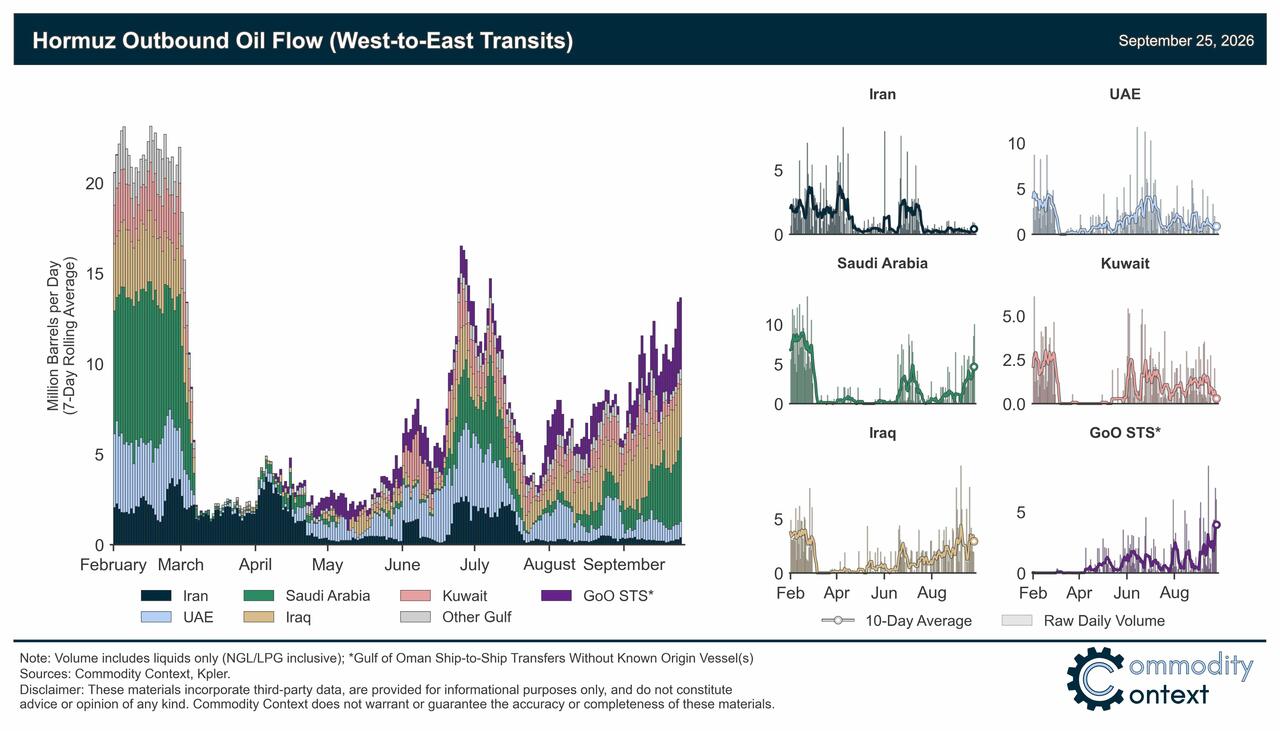
IEA’s Birol Says “Ready To Act” If Energy Shock Worsens As US Offers 40 Million-Barrel SPR Lifeline
Summary:
- US DoE Offers 40 Million Barrels From SPR
- IEA Head Says SPR On Standby If Energy Crisis Deepens
- EU Eyes Methane Rule Retreat As Energy Crisis Deepens; IEA Floats Another Emergency Oil Dump
IEA Head “Ready To Act”; US DoE Offers 40 Million Barrels From SPR
Brent crude futures moved lower to $103.90 a barrel, supported by continued diplomatic efforts and the resumption of flows through Saudi Arabia’s East-West pipeline. Kpler data from the weekend showed that oil flows through the Strait of Hormuz reached 13 million barrels a day, about two-thirds of the prewar level.
Courtesy of Commodity Context …
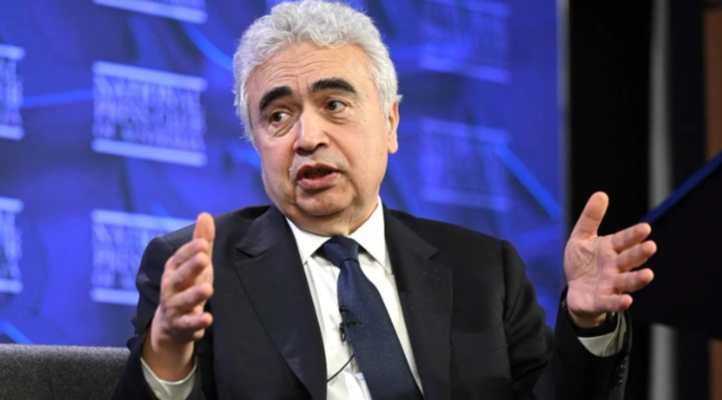
Speaking to reporters at a meeting of EU energy ministers in Dublin, IEA head Fatih Birol said another emergency SPR dump remains on standby should the energy crisis become “much bigger” and more prolonged.
Birol said one-third of the 400 million-barrel release announced in March, shortly after the US-Iran conflict erupted, has yet to hit the market. He said around 80% of overall stocks remain available.
“If there is a need, and if our member countries do agree with it, we are ready to act in order to address current and future market challenges,” he said.
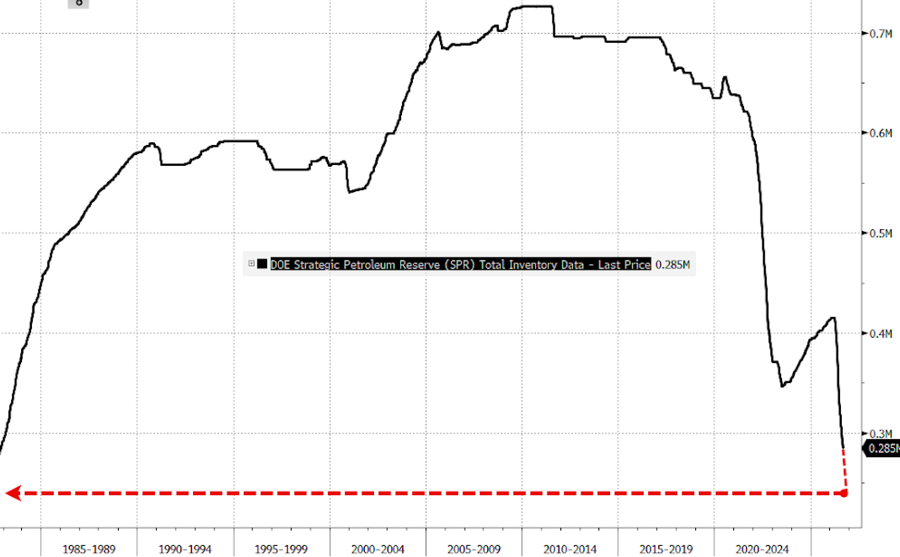
A separate Bloomberg News report said the US Energy Department requested an exchange of up to 40 million barrels of oil from the SPR. The release is part of a much larger plan to dump 172 million barrels of oil from the SPR onto the market to tame crude prices amid supply disruptions at the Hormuz chokepoint.
Such a drawdown would put the SPR at levels not seen since the early 1980s. The current level stands at around 285 million barrels.
Goldman Energy analyst Nikhil Bhandari warned last week that an ongoing global refining crisis could strain the fuel market well into 2027 (read the report).
EU Eyes Methane Rule Retreat As Energy Crisis Deepens; IEA Floats Another Emergency Oil Dump
The European Union is considering postponing methane emissions requirements for imported oil and gas to help boost energy supplies, with the Northern Hemisphere winter just months away. Energy prices in the bloc are already soaring, and uncomfortably low supplies of diesel and natural gas could push them even higher. The energy-stricken continent faces a difficult balancing act as it fights for its energy security.
Reuters quoted EU Energy Commissioner Dan Jorgensen as saying the bloc could delay the methane emissions provisions by a year, which are scheduled to take effect at the start of next year. The rules require foreign producers supplying Europe to monitor and report methane emissions.
The big concern is that compliance risks and potential penalties could discourage suppliers from sending fuel to Europe just as governments panic-search to secure winter supplies. Disruptions linked to the war in Ukraine and Iran have disrupted supplies of avaiable crude and crude products.
“I have instructed my services… to look into possibilities of postponing the part that has to do with imports,” Jorgensen told reporters at a meeting of EU energy ministers in Dublin.
The potential withdrawal of the new methane emissions rule comes as the International Energy Agency weighs another strategic oil reserves dump to cap crude oil prices from rising further – just as China re-enters.
“We are following the markets very closely, especially the product markets, diesel and others. If there is a need, of course, we will discuss with our member governments to take the necessary steps,” IEA head Fatih Birol told reporters in Dublin ahead of a meeting of EU energy ministers.
Fatih Birol
UBS markets analyst Nana Antiedu commented earlier today on the ongoing disruption to the global refining market:
Since the July update, UBS Evidence Lab’s refining project tracker shows disruptions across global refining have intensified, driven by the Strait of Hormuz situation and further attacks on Russian refineries.
Around 11% of global refining capacity was offline during August, typically the lightest month of the year for maintenance. European refining margins set a new all-time high at $50/bbl. As the industry enters the autumn maintenance season, energy analyst Anna Kishmariya estimates offline capacity should remain above 11Mb/d through at least October, absent a recovery in Middle Eastern product flows.
She raises the estimate of capacity requiring repairs exceeding two months to about 2.3Mb/d. The key focus remains the potential US product export ban. Given US exports account for over 20% of the global diesel export market, Anna does not believe the market could absorb another major supply disruption. While not her base case, this remains the key upside risk to margins.
Brent prices reversed earlier amid conflicting messaging on US-Iran negotiations, continued flows through the Hormuz chokepoint and renewed flows through Saudi Arabia’s East-West pipeline. Recall last week that Goldman warned a global refining nightmare could extend well into 2027 (read report).
Tyler Durden
Tue, 09/29/2026 – 12:50
ZeroHedge News
[crypto-donation-box type=”tabular” show-coin=”all”]