U.S. Northern Command plans to sign an agreement with its European and Pacific counterparts to enhance coordination and close security seams in the Arctic, a strategically vital region where all three commands converge, U.S. officials told Air & Space Forces Magazine.
NORTHCOM’s Gen. Gregory M. Guillot, U.S. European Command’s Gen. Alexus G. Grynkewich, and U.S. Pacific Command’s Adm. Samuel Paparo will finalize the agreement, which aims to strengthen information sharing and ensure that adversaries cannot exploit the geographic boundaries among the commands.
U.S. Northern Command’s long-standing motto, “We have the watch,” has taken on greater urgency in recent years as the potential means to attack the U.S. Arctic region have grown. Today, the command’s geographic focus stretches across Canada, Greenland, and south to Mexico and parts of the Caribbean, and the potential dangers have expanded to include a range of emerging threats, from intelligence-gathering balloons to ballistic missiles, cruise missiles, and drones.
Guillot, in a September interview with Air & Space Forces Magazine, said the command has managed the growth well. “Over the last couple of years, we’ve received a few new missions with Greenland, the Southern Border, Golden Dome, and the counter-UAS mission, and we’ve been able to evolve and incorporate those into our daily homeland defense operations, I think, seamlessly,” said Guillot, whose responsibilities also include heading the binational U.S.-Canadian North American Aerospace Defense Command, known as NORAD.
“The command is growing as the number of threats and the number of avenues of approach that they can use to threaten us increase,” he added of NORTHCOM.
The Arctic’s strategic importance has grown as melting polar ice has opened up the region for greater commercial traffic and resource exploitation.
Russia, which owns more than half the Arctic coastline, has long projected its military might in the region.
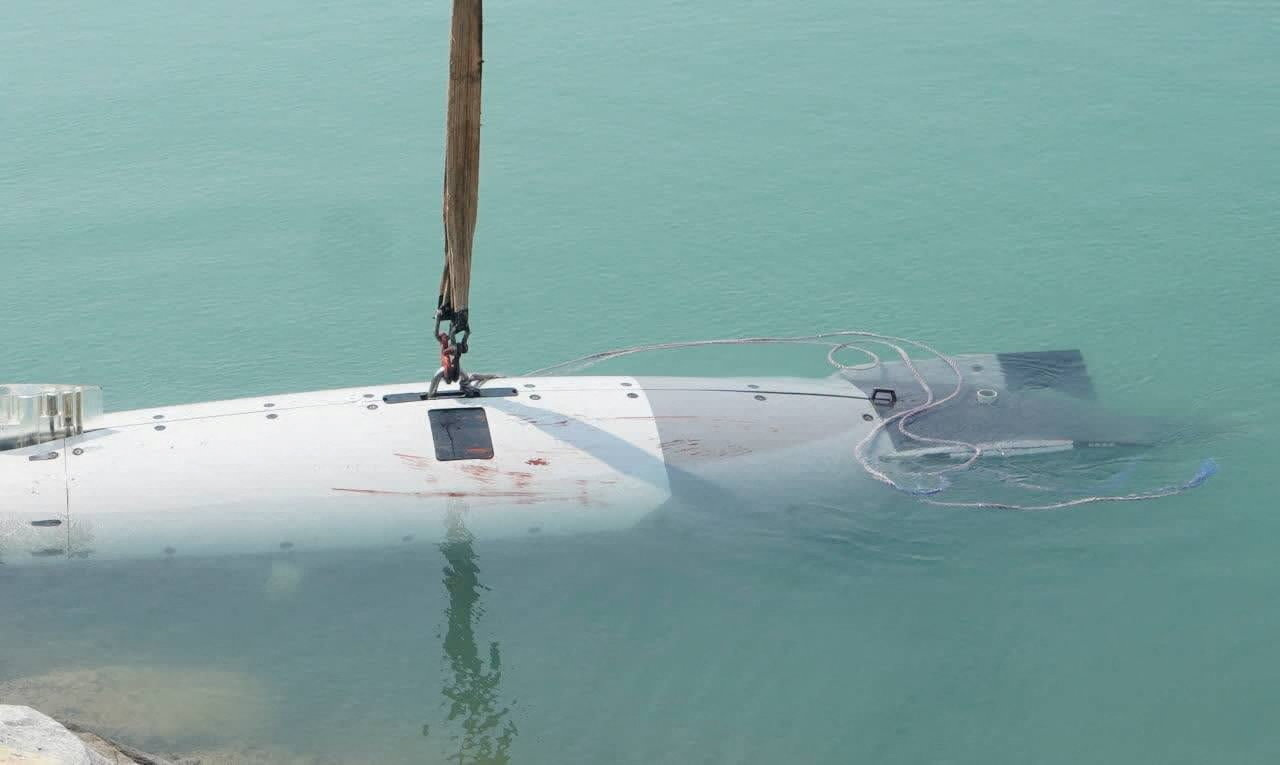
More recently, China has sought to assert itself as an Arctic nation, not because it controls territory there but because of its value as a transit venue, shortening the trade routes between China and Europe. China operates research vessels there, including submersibles.
“They’re seeking to move themselves forward militarily and become global power projectors, not regional power projectors, and part of that will involve holding us at risk through the Arctic and ensuring that policy in the Arctic reflects their interests,” retired Gen. Glen D. VanHerck, Guillot’s predecessor at NORTHCOM and NORAD, said in an interview.
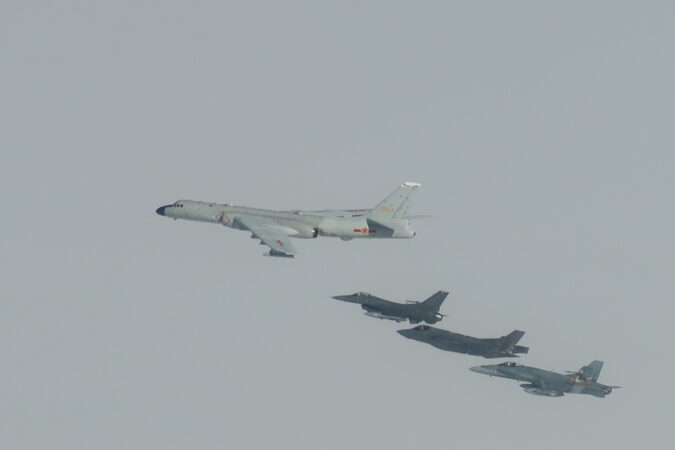
A joint China-Russia bomber patrol in the region, which took off in 2024 from a Russian base, demonstrated closer ties between the two and raised concerns across North America and Europe about their growing cooperation.
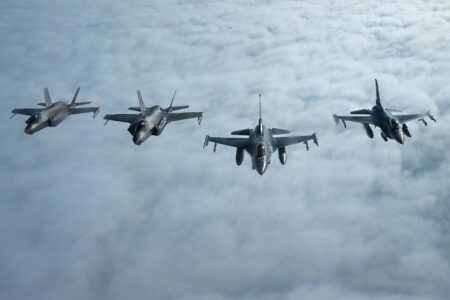
Canadian CF-18 Hornets joined U.S. F-35A Lightning II and F-16 Fighting Falcon fighters, all from NORAD, to intercept Russian TU-95 and Chinese H-6 bombers in the Alaska Air Defense Identification Zone, July 24, 2024. U.S. Department of Defense Photo
“When you see Russia and China cooperating militarily in the Arctic, with a greater capacity arguably than anywhere else on Earth, I think that should give some signals that we should be paying attention to what’s going on in the region,” said Iris Ferguson, who served as deputy assistant secretary of defense for Arctic and global resilience from 2022-2025.
Ferguson sees closing the gaps between U.S. military commands that converge in the Arctic region as essential to enhanced security.
“There are multiple seams in the Arctic for the United States,” she said. “The one between NORTHCOM and EUCOM is a significant one and is one area that deserves more attention.”
NORTHCOM led the drive to formalize an agreement with its fellow combatant commands, working closely with EUCOM and its boss, Grynkewich, who is also NATO’s Supreme Allied Commander Europe, with critical ties to NATO’s Nordic allies. Through NATO, Grynkewich is responsible for defending what NATO dubs the High North, comprising Canada, Finland, Norway, Sweden, Denmark, Iceland, and the U.S. The alliance held multiple large-scale Arctic exercises this past summer, some of which Air & Space Forces Magazine experienced firsthand. NATO’s Arctic Sentry “enhanced vigilance activity” operates in cooperation with NORAD and NORTHCOM, and alliance officials describe that cooperation as at a level not seen in decades.
Guillot said the potential threats aren’t limited to America’s largest potential adversaries.
“I see the threat to our continent changing not just from Russia and China, but from multiple adversaries,” Guillot said. “The biggest change is that it’s from all avenues of approach instead of just from the north, and it’s with systems that could affect us from further away. So therefore our defense capabilities need to be expanded further from our borders to make sure that we’re defending at the appropriate range.”
“What that necessitates is cooperation with EUCOM, PACOM, and SOUTHCOM, where we can exchange information, pictures, intelligence, and even resources to defend further away,” Guillot said.
VanHerck applauded efforts to strengthen Arctic security and stop threats before they reach North America.
“Homeland defense doesn’t start in the homeland,” VanHerck said. “It starts forward with allies and partners and fellow combat commanders forward. Ideally, you have a posture and a presence and enough domain awareness that you deter those activities before they ever start. And if they’re going to attack, you can defeat those adversaries or capabilities further forward.”
The Trump administration has made Arctic security a centerpiece of its foreign policy, pressing to win new concessions for American basing in Greenland, expanding beyond a single Space Force installation to establish two new bases. Demonstrating the critical nature of Greenland to North American security, the administration transferred responsibility for Greenland, a territory of Denmark, to U.S. Northern Command, removing it from U.S. European Command’s area of responsibility.
That transfer is far from symbolic. “A lot of exercises and operations that we would normally conduct either unilaterally, or perhaps with Canada through NORAD, we’re now doing with other countries to include Denmark,” Guillot said.
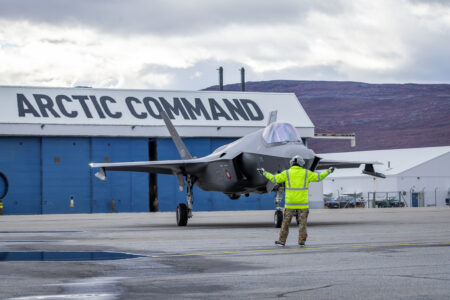
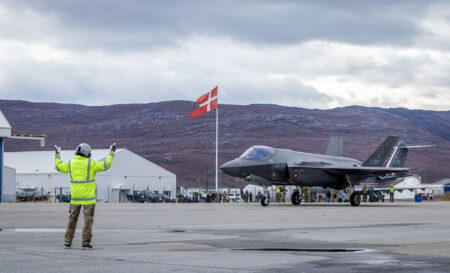
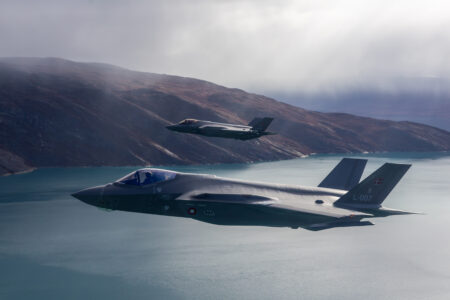
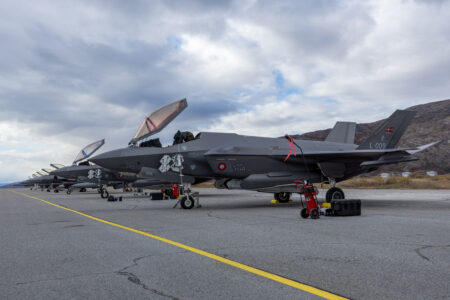
A recent exercise with the U.S. and allied nations marked the first time Danish F-35s landed in Greenland.
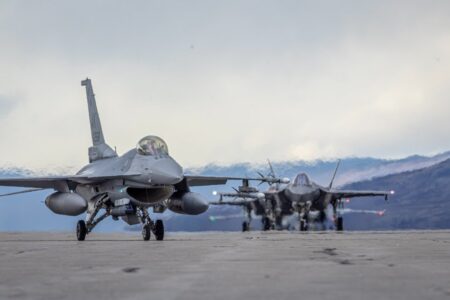
Danish F-35s on the ground in Greenland for the first time, in Kangerlussuaq, West Greenland. Two Danish F-35As landed alongside U.S. F-16s and Canadian CF-18s, Sept. 16, 2026. Danish Armed Forces photo by Rune Dyrholm.
Danish F-35s on the ground in Greenland for the first time, in Kangerlussuaq, West Greenland. Two Danish F-35As landed alongside U.S. F-16s and Canadian CF-18s, Sept. 16, 2026. Danish Armed Forces photo by Rune Dyrholm.
Danish F-35s on the ground in Greenland for the first time, in Kangerlussuaq, West Greenland. Two Danish F-35As landed alongside U.S. F-16s and Canadian CF-18s, Sept. 16, 2026. Danish Armed Forces photo by Rune Dyrholm.
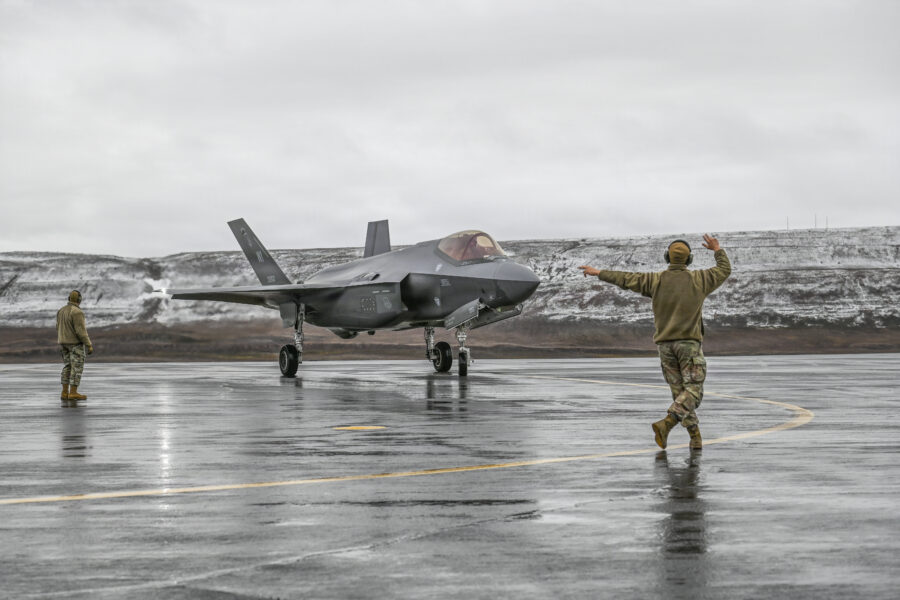
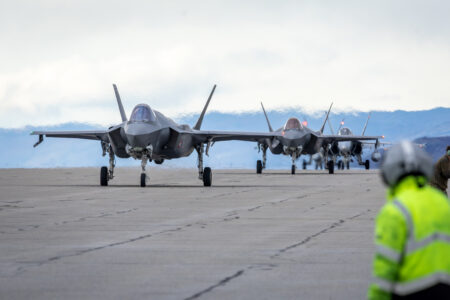
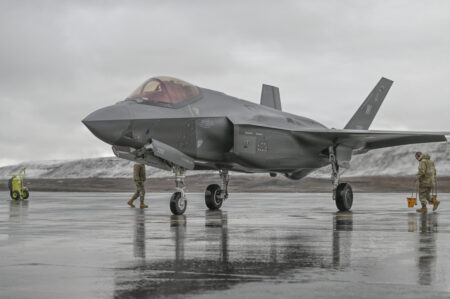
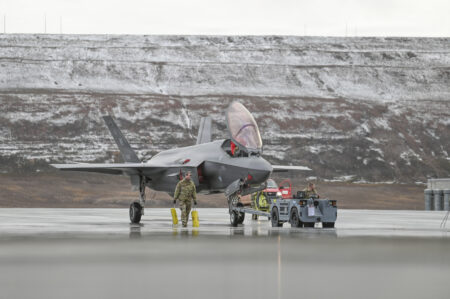
An F-35A Lightning II assigned to the 115th Fighter Wing, Wisconsin Air National Guard, operates out of Pituffik Space Base, Greenland, Sept. 10, 2026. The Arctic Region is an austere and demanding environment that tests the operational abilities of USNORTHCOM; iterations of Operation ARCTIC VANGUARD aid in developing resiliency and consistency in these environments. (U.S. Air National Guard photo by Master Sgt. Mary Greenwood)
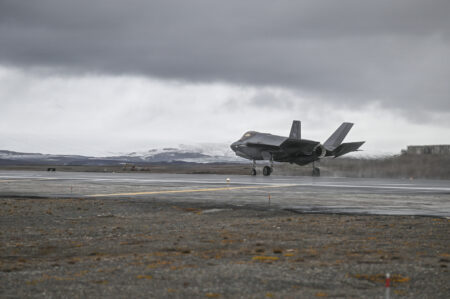
An F-35A Lightning II aircraft assigned to the 115th Fighter Wing, Wisconsin Air National Guard, lands at Pituffik Space Base, Greenland, Sept. 10, 2026. The Arctic Region is an austere and demanding environment that tests the operational abilities of USNORTHCOM; iterations of Operation ARCTIC VANGUARD aid in developing resiliency and consistency in these environments. (U.S. Air National Guard photo by Master Sgt. Mary Greenwood)
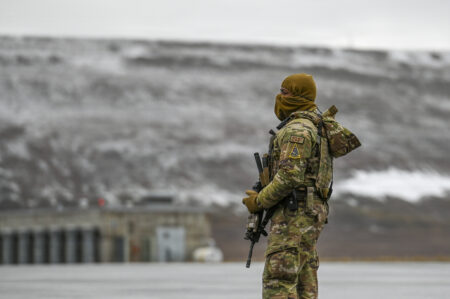
A U.S. Airman protects assets at Pituffik Space Base, Greenland, Sept. 10, 2026. The Arctic Region is an austere and demanding environment that tests the operational abilities of USNORTHCOM; iterations of Operation ARCTIC VANGUARD aid in developing resiliency and consistency in these environments. (U.S. Air National Guard photo by Master Sgt. Mary Greenwood)
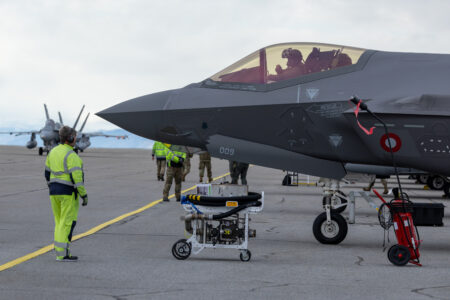
U.S. Air Force tactical aircraft maintenance technicians assigned to the 115th Fighter Wing, Wisconsin Air National Guard, tow an F-35A Lightning II aircraft at Pituffik Space Base, Greenland, Sept. 10, 2026. The Arctic Region is an austere and demanding environment that tests the operational abilities of USNORTHCOM; iterations of Operation ARCTIC VANGUARD aid in developing resiliency and consistency in these environments. (U.S. Air National Guard photo by Master Sgt. Mary Greenwood)
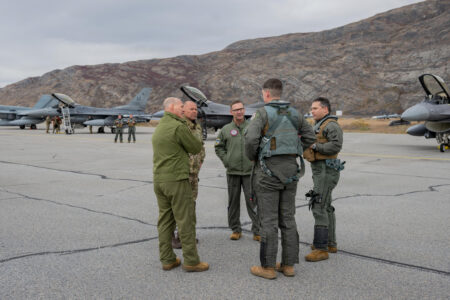
Military leaders from the United States, Denmark and Canada meet with F-16 Fighting Falcon pilots from the 18th Fighter Interceptor Squadron during Operation Arctic Vanguard at Kangerlussuaq, Greenland, Sept. 16, 2026. U.S. Air Force photo by Senior Airman Colin Perkins
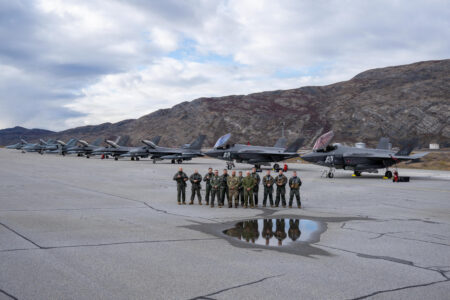
Military leaders and pilots from the United States, Denmark and Canada pose for a group photo during Operation ARCTIC VANGUARD at Kangerlussuaq, Greenland Sept. 16, 2026. OAV demonstrates the Nordic Bridge concept, enhancing cooperation between United States Northern Command, United States European Command, North American Aerospace Defense Command and NATO in order to expand domain awareness, strengthen deterrence, and improve interoperability. (U.S. Air Force photo by Senior Airman Colin Perkins)
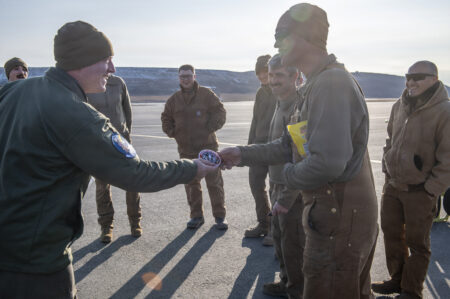
A U.S. Air Force F-35A Lightning II aircraft pilot assigned to the 115th Fighter Wing, Wisconsin Air National Guard, shares a unit patch at Pituffik Space Base, Greenland, Sept. 10, 2026. The Arctic Region is an austere and demanding environment that tests the operational abilities of USNORTHCOM; iterations of Operation ARCTIC VANGUARD aid in developing resiliency and consistency in these environments. (U.S. Air National Guard photo by Master Sgt. Mary Greenwood)
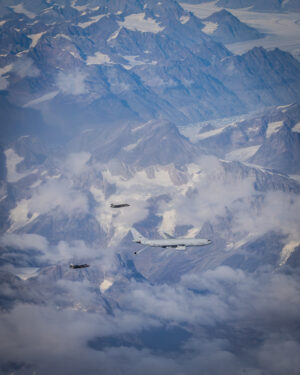
U.S., Canadian, and Danish forces conducted joint Operation Arctic Vanguard and NATO exercises in Greenland this month that drew F-35As from continental U.S. bases, U.S. F-16s from Alaska, Canadian CF-18s, and Danish F-35As. French air-to-air refueling aircraft and NATO-operated E-3 AWACS command-and-control jets also joined the operations as part of NATO’s Arctic Sentry.
Referencing the recent exercises, Guillot said allies were “fully integrated” and “operating in multiple lanes at the same time,” a shift from a few years ago when the U.S. may have conducted unilateral training instead. Operating as an integrated whole creates dilemmas for adversaries and acts as a force multiplier for the allies.
“That is possible due to the great relationship and partnering by the Danish forces,” Guillot said.
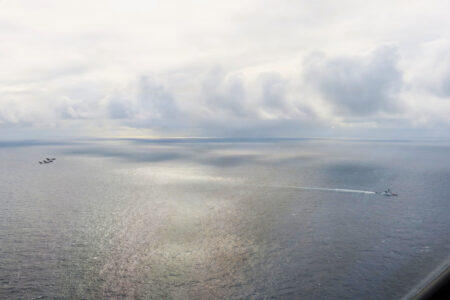
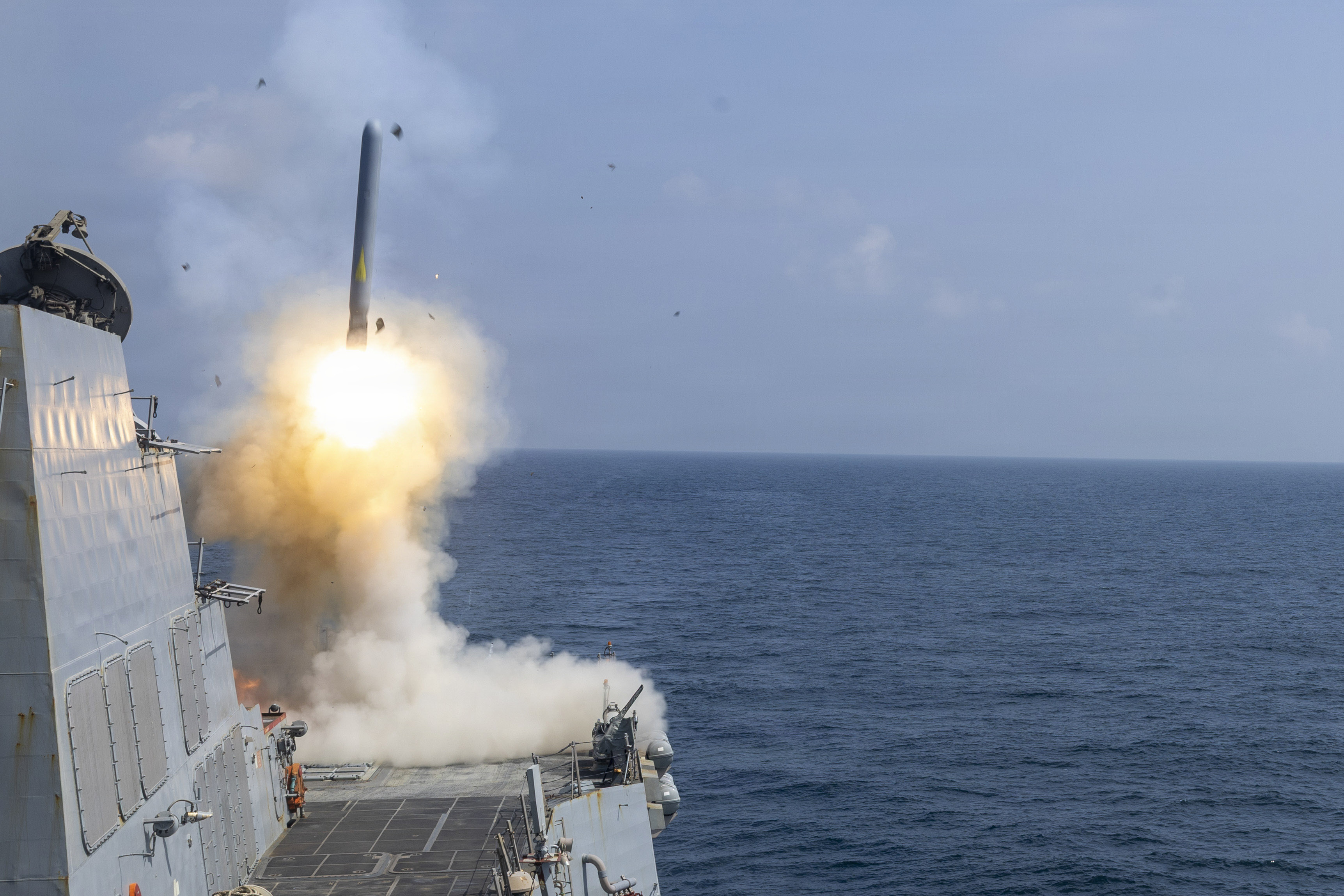
On the other side of North America, near Alaska, the U.S. and Canada recently conducted a joint exercise practicing striking maritime targets in the Bering Sea, using aircraft, surface vessels, and a submarine. The U.S. has also conducted joint naval operations with Canada that involve the U.S. Coast Guard alongside the U.S. military. Those exercises fall under Operation Tundra Merlin, which focuses on deterrence near Alaska, including the western Arctic and Northern Pacific. Pacific Air Forces aircraft stationed in Alaska also supported Arctic Vanguard on the other side of NORTHCOM’s region.
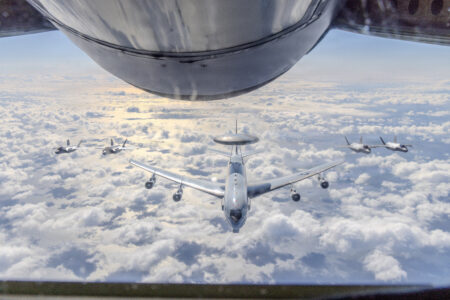
A U.S. Air Force E-3 Sentry and F-35A Lightning II aircraft fly in formation while conducting aerial refueling as part of Operation Tundra Merlin over the Bering Sea, Sept. 21, 2026. U.S. Air Force photo by Staff Sgt. Christopher Chen
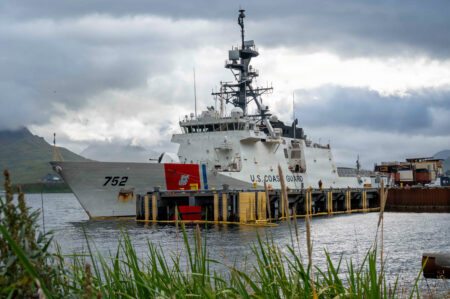
U.S. Coast Guard Cutter Stratton (WMSL 752) prepares for departure in Dutch Harbor, Alaska, Sep 17, 2026. As part of Alaskan Command’s Operation TUNDRA MERLIN, U.S. and Canadian forces will conduct a joint maritime strike scenario in the Bering Sea to integrate binational surface and subsurface vessels with Royal Canadian Air Force Maritime Patrol and Reconnaissance Aircraft and Alaska-based U.S. Air Force F-35 fighters and E-3 Airborne Warning and Control System aircraft to demonstrate the combined capability of allied forces. (U.S. Air Force photo by Senior Airman Jordan McCoy)
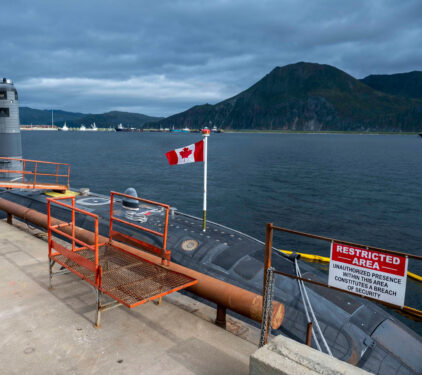
Royal Canadian Navy Victoria-class long-range patrol submarine HMCS Corner Brook (SSK 878) prepares for departure in Dutch Harbor, Alaska, Sep 17, 2026. As part of Alaskan Command’s Operation TUNDRA MERLIN, U.S. and Canadian forces conducted a joint maritime strike scenario in the Bering Sea to integrate binational surface and subsurface vessels with Royal Canadian Air Force Maritime Patrol and Reconnaissance Aircraft and Alaska-based U.S. Air Force F-35 fighters and E-3 Airborne Warning and Control System aircraft to demonstrate the combined capability of allied forces. (U.S. Air Force photo by Senior Airman Jordan McCoy)
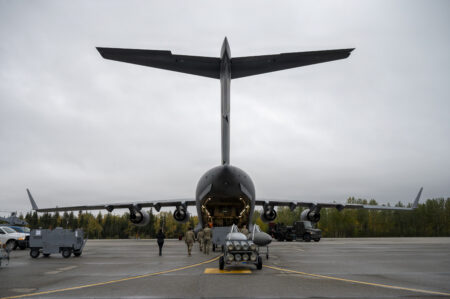
Airmen from the 354th Fighter Wing load cargo into a Royal Canadian Air Force CC-177 Globemaster III to be transported in support of Operation ARCTIC VANGUARD at Eielson Air Force Base, Alaska, Sept. 10, 2026. The vast area of the Arctic region helps to enhance joint integration and interoperability between the U.S. Northern Command, U.S. European Command, North American Aerospace Defense Command and NATO, expanding domain awareness and strengthening deterrence. OAV is an air defense operation under the direction of the NORAD and U.S. NORTHCOM. (U.S. Air Force Photo by Senior Airman Nicholas Paczkowski)
U.S. Air Force F-35A Lightning II aircraft assigned to the 354th Fighter Wing fly over U.S. Coast Guard Cutter Stratton (WMSL 752) in the Bering Sea, Sep. 21, 2026, to participate in simulated combined maritime strike under Operation Tundra Merlin. The operation integrates joint and multinational forces across the Alaskan theater of operations to strengthen homeland defense and defend the approaches to North America. (U.S. Air Force courtesy photo)
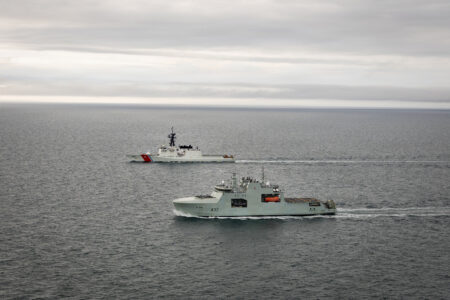
U.S. Coast Guard Cutter Stratton (WMSL 752) and Royal Canadian Navy HMCS Max Bernays (AOPV 432) conduct a combined sail in the Bering Strait, Aug. 11, as part of Operation TUNDRA MERLIN. The combined sail demonstrated the ability of U.S. and Canadian forces to integrate maritime capabilities across the Arctic and reinforced the two nations’ longstanding defense partnership. (U.S. Coast Guard Courtesy photo)
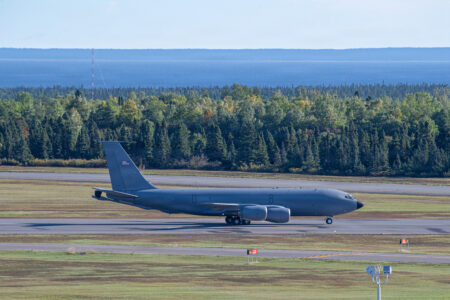
A United States Air Force Boeing KC-135 Stratotanker aerial refueling aircraft taxiing for departure at 5 Wing Goose Bay during Operation AUROR VALOR 26, on September 15, 2026. Operation ARCTIC VANGUARD is an air defense operation under the direction of the North American Aerospace Defense Command and/or United States Northern Command.
Photo Credit: MCpl Krista Blizzard
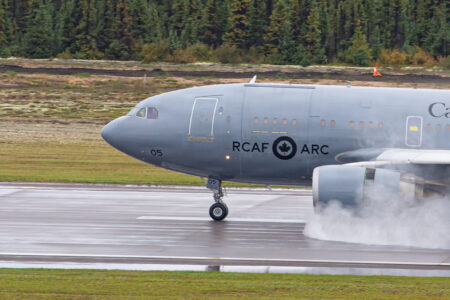
A Royal Canadian Air Force Airbus CC-150T Polaris lands at 5 Wing Goose Bay during Operation ARCTIC VANGUARD 26, on September 14, 2026. Operation ARCTIC VANGUARD is an air defense operation under the direction of the North American Aerospace Defense Command and/or United States Northern Command. Credit: MCpl Krista Blizzard
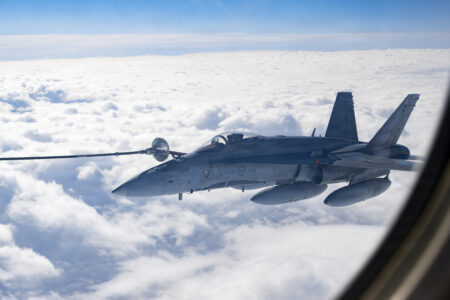
A CF18 engages in Air to Air Refueling with a CC150 Polaris, on Operation ARTIC VANGUARD, in the skies above Greenland. 15 September 2026. Operation ARCTIC VANGUARD is an air defense operation under the direction of the North American Aerospace Defense Command and/or United States Northern Command.
Image by Corporal Justin Dreimanis, 8 Wing Imaging
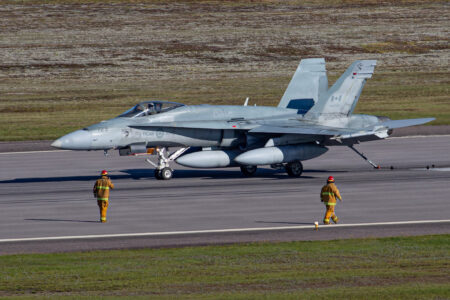
Picture of a United States Air Force (USAF) General Dynamics F-16 Fighting Falcon aircraft and a Royal Canadian Air Force (RCAF) CF-188 Hornet fighter aircraft assigned to Exercise AMALGAM DART 26 (AmD26). AmD26 will take place from August 23 to 31, 2026, at CFB Bagotville. Photo taken on the tarmac at CFB Bagotville on August 27, 2026.
Exercise AMALGAM DART is a planned, routine North American Aerospace Defense Command (NORAD) and United States Northern Command (USNORTHCOM) exercise to be conducted from 24 August – 1 September 2026. Exercise AMALGAM DART 26 demonstrates NORAD and USNORTHCOM’s readiness to defend North America against modern air domain threats, strengthens integrated deterrence through resilient binational operations, and reinforces the enduring United States–Canada defense partnership.
Photo taken by Sgt Steeve Picard, Imagery Section, Alouette, Québec
A Royal Canadian Air Force CF-18 Hornet catches the cable as part of an equipment test at 5 Wing Goose Bay during Operation AUROR VALOR 26, on September 15, 2026. Operation ARCTIC VANGUARD is an air defense operation under the direction of the North American Aerospace Defense Command and/or United States Northern Command.
Photo credit: Krista Blizzard
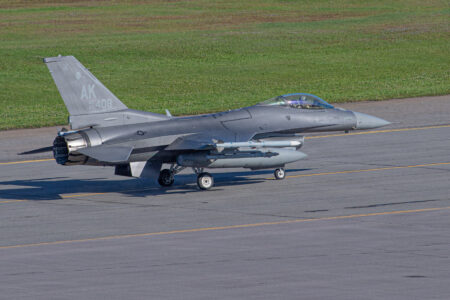
A United States Air Force F-16 Fighting Falcon fighter jet taxiing for departure at 5 Wing Goose Bay during Operation AUROR VALOR 26, on September 15, 2026. Operation ARCTIC VANGUARD is an air defense operation under the direction of the North American Aerospace Defense Command and/or United States Northern Command.
Photo credit: MCpl Krista Blizzard
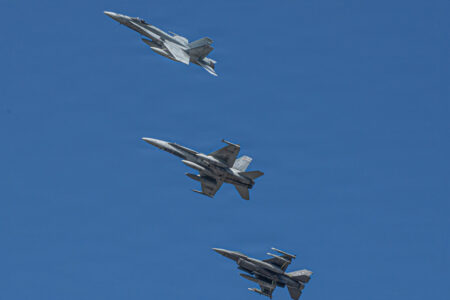
Two Royal Canadian Air Force CF-18 Hornets fly in formation with two United States Air Force F-16 Fighting Falcon fighter jets over 5 Wing Goose Bay during Operation Arctic Vanguard 26, on September 15, 2026. Operation ARCTIC VANGUARD is an air defense operation under the direction of the North American Aerospace Defense Command and/or United States Northern Command.
Photo credit: MCpl Krista Blizzard
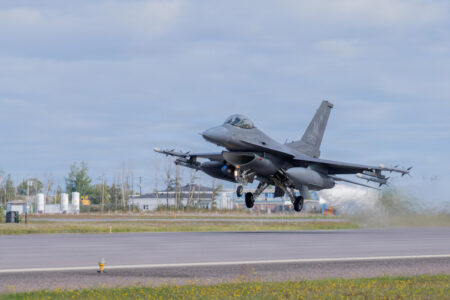
A U.S. Air Force F-16 Fighting Falcon assigned to the 18th Fighter Interceptor Squadron takes off in support of Operation ARCTIC VANGUARD at 5 Wing Goose Bay, Newfoundland and Labrador Sept. 17, 2026. OAV is an air defense operation directed by the North American Aerospace Defense Command that strengthens its aerospace warning and control missions. Training alongside allies and partners helps develop seamless processes, systems, platforms and capabilities, creating a more capable and agile force. (U.S. Air Force photo by Senior Airman Colin Perkins)
A U.S. Air Force F-16 Fighting Falcon assigned to the 18th Fighter Interceptor Squadron takes off in support of Operation ARCTIC VANGUARD at 5 Wing Goose Bay, Newfoundland and Labrador Sept. 17, 2026. OAV is an air defense operation directed by the North American Aerospace Defense Command that strengthens its aerospace warning and control missions. Training alongside allies and partners helps develop seamless processes, systems, platforms and capabilities, creating a more capable and agile force. (U.S. Air Force photo by Senior Airman Colin Perkins)
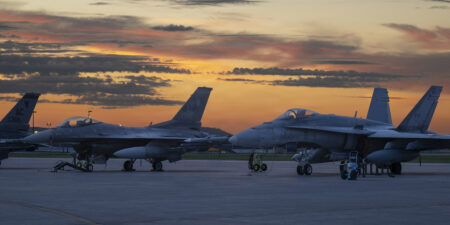
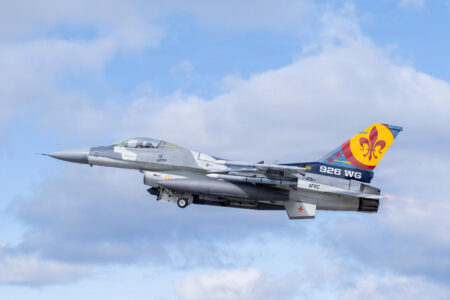
U.S. Air Force F-16 Fighting Falcons and F-35 Lightning IIs fly in support of Operation TUNDRA MERLIN at Eielson Air Force Base, Alaska, Aug. 6, 2026. The operation showcased the joint force’s ability to integrate air and land-based combat power to detect, track, and defeat simulated threats against the homeland. (U.S. Air Force photo by Senior Airman Spencer Hanson)
Alaska’s geographic size and placement at the nexus of the NORTHCOM and PACOM areas of responsibility places it in proximity to potential threats from China, Russia, and North Korea.
“I don’t think people appreciate the role that Alaska plays for our homeland defense mission, but also for our Indo-Pacific mission,” said Ferguson, who also served as a senior advisor to the Air Force on the Arctic. “Alaska is critical as a place of power projection to be able to project power not only into the Indo-Pacific in the event of a contingency, but also into the European theater.”
The exercises underscore Guillot’s broader Nordic Bridge initiative, launched earlier this year to better integrate allied operations across the Arctic. It includes coordination among the various U.S. combatant commands that touch on the region, as well as Canada, Sweden, Finland, Denmark, Norway, and Iceland, all NATO allies. Working together, they aim to enhance domain awareness and interoperability.
“We’re working with other friendly Arctic nations to increase our presence,” Guillot said, “to increase and expand the deterrence, and make sure that every exercise we do up there is multinational and along multiple avenues of approach.”
Air, National Security, Operations, Adm. Samuel Paparo, Arctic, Arctic Sentry, Canada, China, Denmark, EUCOM, Finland, Gen. Alexus G. Grynkewich, Gen. Glen D. VanHerck, Gen. Gregory M. Guillot, Greenland, Iceland, Iris Ferguson, NORAD, North American Aerospace Defense Command, NORTHCOM, Norway, PACOM, Russia, Sweden